

Static automatic batching equipment
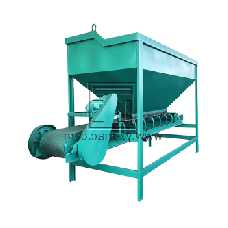
Static automatic batching equipment is a type of equipment used in the production of various types of fertilizers, including organic and compound fertilizers. It is designed to accurately measure and mix different raw materials in a predetermined ratio to ensure the final product meets the required specifications.
The static automatic batching equipment typically consists of several components, including raw material bins, a conveyor system, a weighing system, and a mixing system. The raw materials are stored in separate bins, and the conveyor system transports them to the weighing system, which precisely measures and weighs each material.
Once the materials have been accurately weighed, they are sent to the mixing system, which thoroughly mixes them to ensure a uniform distribution of nutrients. The final product is then ready for packaging and distribution.
Static automatic batching equipment is commonly used in large-scale fertilizer production facilities, as it offers precise and efficient control over the mixing process, which helps to ensure the final product meets the required quality standards.
Related products
-
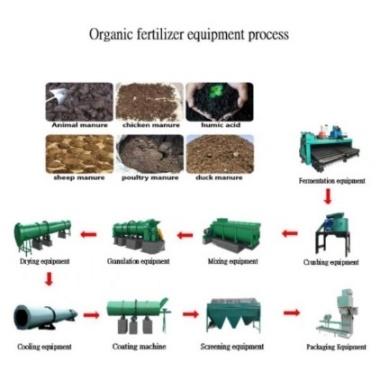
Organic fertilizer making machine
An organic fertilizer making machine is a crucial tool in sustainable agriculture, enabling the production of high-quality organic fertilizers from organic waste materials. This machine plays a significant role in recycling organic waste, reducing environmental pollution, and promoting soil health. The Importance of Organic Fertilizer: Organic fertilizer is derived from natural sources such as animal manure, plant residues, food waste, and compost. It provides essential nutrients to plants i...
-
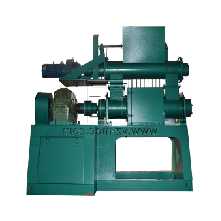
Fertilizer granulators
The rotary drum granulator can be used for the granulation of livestock and poultry manure, composted manure, green manure, sea manure, cake manure, peat ash, soil and miscellaneous manure, three wastes, and microorganisms.
-
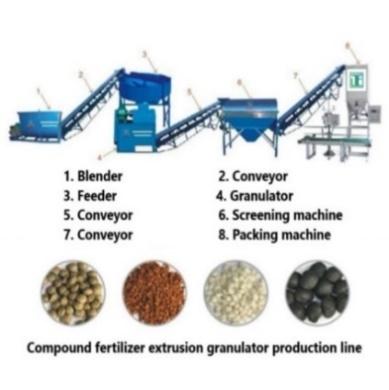
NPK compound fertilizer production line
An NPK compound fertilizer production line is a comprehensive system designed to produce NPK fertilizers, which contain essential nutrients for plant growth: nitrogen (N), phosphorus (P), and potassium (K). This production line combines different processes to ensure the accurate blending and granulation of these nutrients, resulting in high-quality and balanced fertilizers. The Significance of NPK Compound Fertilizers: NPK compound fertilizers play a vital role in modern agriculture, as they...
-

Automatic packaging equipment
Automatic packaging equipment is a machine used to automatically pack products or materials in bags or other containers. In the context of fertilizer production, it is used to package finished fertilizer products, such as granules, powder, and pellets, into bags for transportation and storage. The equipment generally includes a weighing system, a filling system, a bagging system, and a conveying system. The weighing system accurately measures the weight of the fertilizer products to be packag...
-
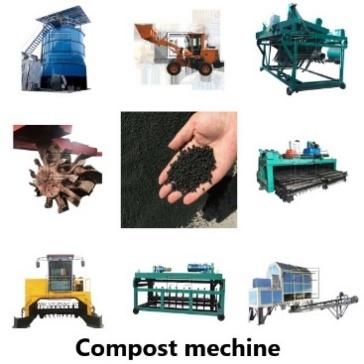
Compostmachine
Compost machines are essential tools in organic waste management, enabling the efficient conversion of organic materials into nutrient-rich compost. Compost Windrow Turners: Compost windrow turners are large machines used in commercial-scale composting operations. They are specifically designed to turn and aerate compost windrows, which are long piles of organic waste materials. These turners help ensure proper oxygenation, moisture distribution, and decomposition within the windrows. Compos...
-
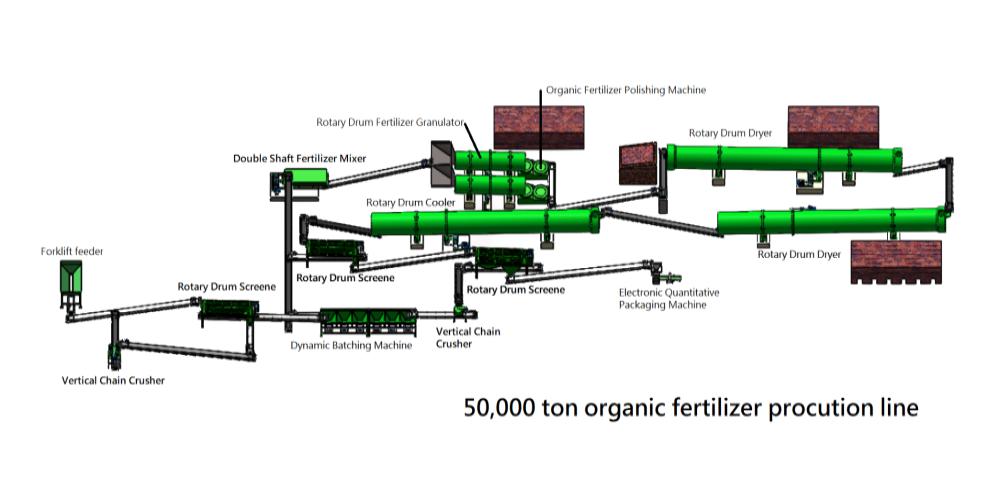
Organic fertilizer production line with an annu...
An organic fertilizer production line with an annual output of 50,000 tons typically includes the following steps: 1.Raw Material Preprocessing: Raw materials such as animal manure, crop residues, food waste, and other organic waste materials are collected and preprocessed to ensure their suitability for use in organic fertilizer production. 2.Composting: The preprocessed raw materials are mixed and placed in a composting area where they undergo natural decomposition. This process can take se...