

Organic fertilizer production line with an annual output of 50,000 tons
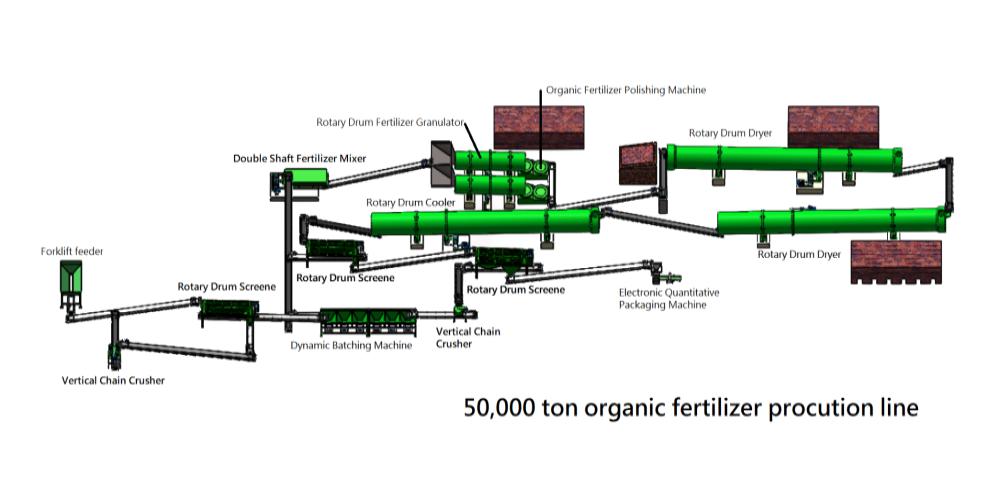
An organic fertilizer production line with an annual output of 50,000 tons typically includes the following steps:
1.Raw Material Preprocessing: Raw materials such as animal manure, crop residues, food waste, and other organic waste materials are collected and preprocessed to ensure their suitability for use in organic fertilizer production.
2.Composting: The preprocessed raw materials are mixed and placed in a composting area where they undergo natural decomposition. This process can take several weeks to several months, depending on the type of raw materials used.
3.Crushing and Mixing: After the composting process is complete, the decomposed materials are crushed and mixed together to create a homogeneous mixture. This is typically done using a crusher and a mixing machine.
4.Granulation: The mixed materials are then fed into a granulator machine, which compresses the materials into small pellets or granules. The size and shape of the granules can be adjusted to meet specific customer requirements.
5.Drying: The newly formed granules are then dried using a dryer machine to remove any excess moisture. This helps to increase the shelf life of the fertilizer.
6.Cooling and Screening: The dried granules are then cooled and screened to remove any oversized or undersized particles, ensuring a consistent product.
7.Coating and Packaging: The final step is to coat the granules with a protective layer and package them into bags or other containers for distribution.
To produce 50,000 tons of organic fertilizer annually, a production line would require a significant amount of equipment and machinery, including crushers, mixers, granulators, dryers, cooling and screening machines, and packaging equipment. The specific equipment and machinery needed would depend on the type of raw materials being used and the desired characteristics of the final product. Additionally, skilled labor and expertise would be required to operate the production line effectively and efficiently.
In addition, the production line may require larger storage and handling facilities to accommodate the increased volume of materials and finished products. Quality control measures would also need to be implemented to ensure that the finished product meets the required standards and specifications.
Related products
-
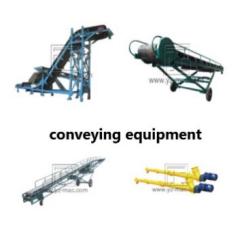
Organic fertilizer conveyor
Organic fertilizer conveyor is an important equipment in the organic fertilizer production line. Through automatic transportation, the organic fertilizer raw materials or finished products in the production line are transported to the next process to realize the continuous production of the production line. There are many types of organic fertilizer conveyors, such as belt conveyors, bucket elevators, and screw conveyors. These conveyors can be selected and configured according to production ...
-
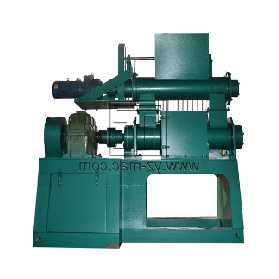
Double screw extrusion fertilizer granulation e...
Double screw extrusion fertilizer granulation equipment is a type of granulation equipment that uses a double screw system to compress and shape fertilizer materials into granules. It is commonly used to produce compound fertilizers, but can also be used for other types of fertilizers. The double screw extrusion granulator consists of a feeding system, mixing system, extrusion system, cutting system, and a control system. The feeding system delivers the raw materials to the mixing system, whe...
-

Graphite grain pelletizing system
A graphite grain pelletizing system refers to a complete set of equipment and processes used for pelletizing graphite grains. It includes various components and machinery that work together to transform graphite grains into compacted and uniform pellets. The system typically involves several stages, including preparation, pellet formation, drying, and cooling. Here are some key components and considerations of a graphite grain pelletizing system: 1. Crusher or grinder: This equipment is used ...
-
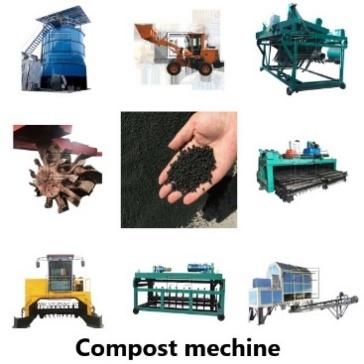
Compost making machine
A compost making machine, also known as a composting machine or composting system, is a specialized piece of equipment designed to simplify and expedite the composting process. These machines are used to efficiently convert organic waste materials into nutrient-rich compost through controlled decomposition, aeration, and mixing. Efficient Composting Process: A compost making machine accelerates the composting process by creating an optimized environment for decomposition. It provides the ide...
-
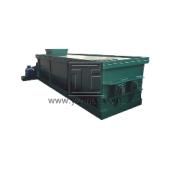
Fertilizer mixing equipment
Fertilizer mixing equipment is used to uniformly blend different types of fertilizers, as well as other materials, such as additives and trace elements, into a homogeneous mixture. The mixing process is important for ensuring that each particle of the mixture has the same nutrient content and that the nutrients are evenly distributed throughout the fertilizer. Some common types of fertilizer mixing equipment include: 1.Horizontal mixers: These mixers have a horizontal trough with rotating pad...
-

Chicken manure fertilizer granulation equipment
Chicken manure fertilizer granulation equipment is used to process chicken manure into uniform and high-quality fertilizer granules that are easier to handle, transport, and apply. The equipment typically includes the following: 1.Chicken manure drying machine: This machine is used to reduce the moisture content of the chicken manure to around 20%-30%. A dryer can reduce the water content of the manure, making it easier to granulate. 2.Chicken manure crusher: This machine is used to crush the...