

Cow dung compost machine
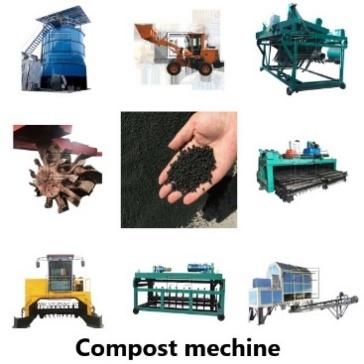
A cow dung compost machine is a specialized equipment designed to process cow dung and convert it into nutrient-rich compost. Cow dung, a valuable organic resource, is rich in essential nutrients and microorganisms that can greatly benefit soil health and plant growth.
Types of Cow Dung Compost Machines:
Cow Dung Compost Windrow Turner:
A windrow turner is a commonly used cow dung compost machine that creates compost piles in long, narrow rows or windrows. The machine efficiently turns and mixes the composting materials, ensuring proper aeration, moisture distribution, and microbial activity. This promotes faster decomposition and the production of high-quality compost.
Cow Dung Compost Crawler:
A compost crawler is a self-propelled machine equipped with rotating blades or augers. It moves along the compost pile, turning and mixing the materials while simultaneously crushing and pulverizing them. This process accelerates the composting process and enhances the breakdown of cow dung into rich, nutrient-dense compost.
Cow Dung Compost In-vessel System:
An in-vessel composting system is a closed, controlled environment where cow dung and other organic materials are placed in a large container or vessel. The system employs mechanical mixing and aeration to optimize the composting process. It provides precise control over temperature, moisture, and airflow, resulting in faster composting and odor management.
Applications of Cow Dung Compost Machines:
Agricultural Crop Production:
Compost produced from cow dung using compost machines can be applied to agricultural fields to improve soil fertility and enhance crop productivity. The nutrient-rich compost provides essential organic matter, improves soil structure, increases water retention capacity, and promotes beneficial microbial activity. It also reduces the dependence on chemical fertilizers, leading to sustainable and environmentally friendly farming practices.
Horticulture and Landscaping:
In horticultural practices, cow dung compost is valuable for nurseries, gardens, and landscaping applications. The compost enriches potting mixes, enhances soil fertility, and promotes healthy plant growth. It aids in the establishment of new plants, improves flower and fruit production, and enhances the overall aesthetic appeal of landscapes and gardens.
Soil Remediation and Land Restoration:
Cow dung compost can be utilized in soil remediation and land restoration projects. It helps rejuvenate degraded soils, such as those affected by erosion, mining, or pollution. The compost enriches the soil with organic matter, enhances nutrient availability, improves soil structure, and promotes the establishment of vegetation, leading to the restoration of ecosystems and the mitigation of environmental damage.
Organic Farming and Sustainable Agriculture:
Cow dung compost plays a vital role in organic farming and sustainable agriculture systems. It provides a natural and nutrient-rich soil amendment that aligns with organic principles. The compost enhances soil health, supports biodiversity, reduces chemical inputs, and improves the long-term sustainability of agricultural practices.
Conclusion:
A cow dung compost machine offers an efficient and effective solution for converting cow dung into nutrient-rich compost. The different types of compost machines, including windrow turners, crawlers, and in-vessel systems, provide options to suit various composting requirements. The compost produced from cow dung finds applications in agricultural crop production, horticulture, landscaping, soil remediation, land restoration, organic farming, and sustainable agriculture. By utilizing a cow dung compost machine and incorporating composted cow dung into soil management practices, farmers, gardeners, and environmental enthusiasts can contribute to soil health, plant growth, and the promotion of sustainable agricultural practices.
Related products
-
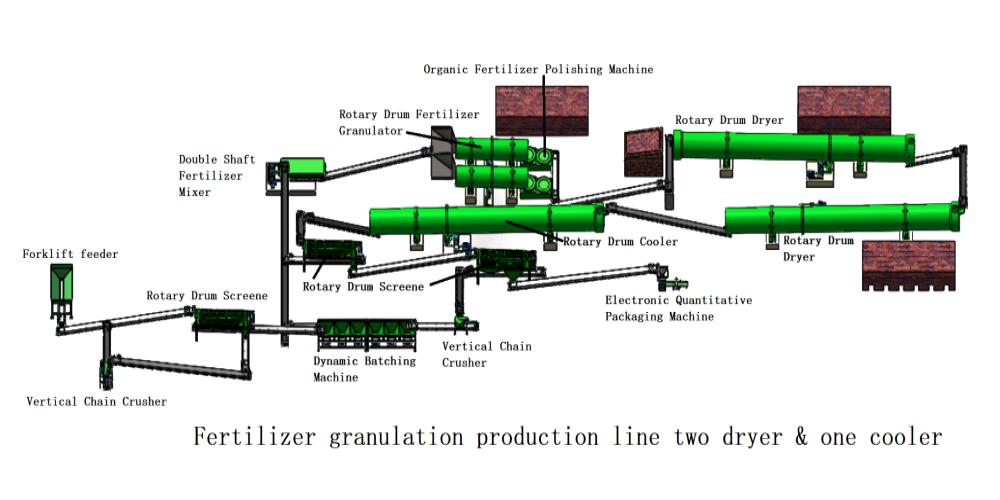
Complete production line of bio-organic fertilizer
A complete production line for bio-organic fertilizer involves several processes that transform organic waste into a high-quality organic fertilizer. The specific processes involved may vary depending on the type of organic waste being used, but some of the common processes include: 1.Raw Material Handling: The first step in bio-organic fertilizer production is to handle the raw materials that will be used to make the fertilizer. This includes collecting and sorting organic waste from various...
-
Fertilizer equipment
Fertilizer equipment refers to various types of machinery and equipment used in the production of fertilizers. This can include equipment used in the processes of fermentation, granulation, crushing, mixing, drying, cooling, coating, screening, and conveying. Fertilizer equipment can be designed for use with a variety of fertilizers, including organic fertilizers, compound fertilizers, and livestock manure fertilizers. Some common examples of fertilizer equipment include: 1.Fermentation equip...
-
Organic fertilizer screening equipment
Organic fertilizer screening equipment is used to separate larger pieces of organic materials from smaller, more uniform particles to create a more uniform product. The equipment typically consists of a vibrating screen or rotary screen, which is used to sieve the organic fertilizer particles according to size. This equipment is an essential part of the organic fertilizer production process as it helps to improve the quality of the final product and ensure that it meets the required standards...
-

Fermentation machine price
A fermentation machine, also known as a fermenter or bioreactor, is a specialized equipment designed to facilitate controlled microbial growth and product formation in various industries. Factors Influencing Fermentation Machine Prices: Capacity: The capacity or volume of a fermentation machine is a significant factor affecting its price. Larger-capacity fermenters with higher production capabilities typically command a higher price due to their advanced design, construction, and materials. ...
-

Cow dung fertilizer drying and cooling equipment
Cow dung fertilizer drying and cooling equipment is used to remove excess moisture from the fermented cow manure and cool it down to a suitable temperature for storage and transportation. The process of drying and cooling is essential for preserving the quality of the fertilizer, preventing the growth of harmful microorganisms, and improving its shelf life. The main types of cow dung fertilizer drying and cooling equipment include: 1.Rotary dryers: In this type of equipment, the fermented cow...
-
Rotary drum composting
Rotary drum composting is a highly efficient method of processing organic waste materials into nutrient-rich compost. This technique utilizes a rotating drum to create an optimal environment for composting, ensuring effective decomposition and transformation of organic waste. Benefits of Rotary Drum Composting: Rapid Decomposition: The rotating drum facilitates efficient mixing and aeration of organic waste, promoting rapid decomposition. The increased airflow within the drum enhances the ac...