

Composting large scale
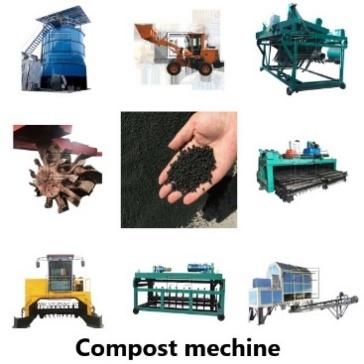
Composting on a large scale is an effective approach to manage organic waste and contribute to sustainable waste management practices. It involves the controlled decomposition of organic materials on a larger volume to produce nutrient-rich compost.
Windrow Composting:
Windrow composting is a widely used method for large-scale composting. It involves forming long, narrow piles or windrows of organic waste materials, such as yard trimmings, food waste, and agricultural residues. The windrows are periodically turned to provide aeration and optimize the composting process. This method is commonly employed in municipal composting facilities, commercial composting sites, and agricultural operations.
Applications:
Municipal solid waste composting: Windrow composting is used by municipalities to process organic waste from households, businesses, and public areas.
Farm and agricultural waste management: Large-scale farms utilize windrow composting to manage crop residues, livestock manure, and other agricultural by-products.
In-Vessel Composting:
In-vessel composting involves using enclosed containers or vessels to compost organic waste materials. This method offers greater control over temperature, moisture, and aeration, allowing for faster and more efficient composting. In-vessel composting is suitable for high-density urban areas or locations with stricter regulatory requirements.
Applications:
Food waste management: In-vessel composting is widely used in restaurants, food processing facilities, and commercial kitchens to manage large volumes of food waste.
Green waste management: Municipalities and landscaping companies utilize in-vessel composting to process green waste from parks, gardens, and public spaces.
Aerated Static Pile Composting:
Aerated static pile composting involves creating compost piles that are aerated using forced air or natural ventilation. The piles are built on a permeable surface to facilitate air movement and drainage. This method is efficient for large-scale composting and offers improved odor control.
Applications:
Covered Aerated Static Pile Composting:
Covered aerated static pile composting is similar to aerated static pile composting, but with the addition of a cover or biofilter system. The cover helps retain heat and moisture while preventing odors and minimizing potential environmental impacts. This method is particularly suitable for composting facilities located in urban or sensitive areas.
Applications:
Conclusion:
Large-scale composting methods, such as windrow composting, in-vessel composting, aerated static pile composting, and covered aerated static pile composting, offer effective solutions for managing organic waste on a larger volume. These methods find applications in municipal waste management, agriculture, food processing, landscaping, and other sectors. By implementing large-scale composting practices, we can divert organic waste from landfills, reduce greenhouse gas emissions, and produce valuable compost that improves soil health and supports sustainable agriculture and landscaping practices.
Related products
-
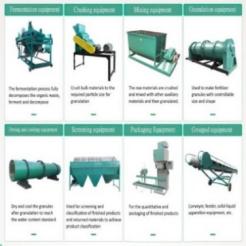
Organic fertilizer production equipment
Organic fertilizer production equipment includes a range of machinery and equipment used in the production of organic fertilizers. Some of the key equipment used in an organic fertilizer production line includes: 1.Compost turner: A machine used to turn and aerate compost piles to speed up the decomposition process. 2.Crusher: Used to crush and grind raw materials such as animal manure, crop residues, and food waste. 3.Mixer: Used to mix various raw materials to create a uniform mixture for g...
-

Equipment for producing chicken manure fertilizer
Equipment for producing chicken manure fertilizer typically includes: 1.Chicken manure composting equipment: This equipment is used to ferment and decompose chicken manure to make it suitable for use as fertilizer. 2.Chicken manure crushing equipment: This equipment is used to crush the chicken manure compost into smaller particles to make it easier to handle and use. 3.Chicken manure granulating equipment: This equipment is used to shape the chicken manure compost into granules or pellets, m...
-
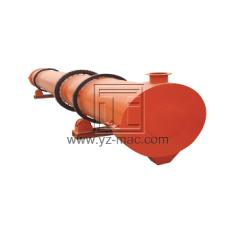
Organic fertilizer dryer price
The price of an organic fertilizer dryer can vary depending on several factors, such as the type of dryer, the manufacturer, the capacity, the drying method, and the level of automation. Generally, the price of an organic fertilizer dryer can range from a few thousand dollars to hundreds of thousands of dollars. For example, a basic small-scale organic fertilizer fan dryer can cost around $2,000-$5,000, while a larger organic fertilizer fluidized bed dryer can cost anywhere from $50,000 to $3...
-
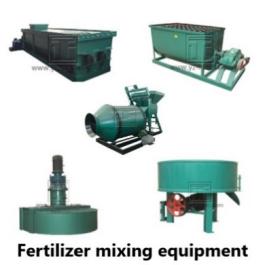
Fertilizer mixer machine price
The fertilizer mixer is directly sold at the ex-factory price. It specializes in providing a complete set of fertilizer production line equipment such as organic fertilizer mixers, turners, pulverizers, granulators, rounders, screening machines, dryers, coolers, packaging machines, etc.
-
Price of compost machine
When considering purchasing a compost machine, understanding the price and associated factors is essential. The price of a compost machine can vary based on several factors, including its type, size, capacity, features, and brand. Factors Influencing the Price of a Compost Machine: Type of Compost Machine: The type of compost machine you choose significantly affects the price. There are various types available, such as compost tumblers, compost bins, compost turners, and in-vessel composting...
-
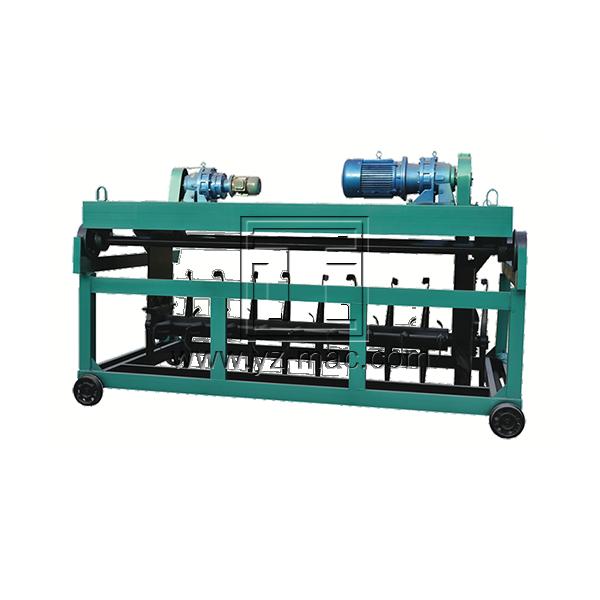
organic composter
An organic composter is a type of equipment used to transform organic waste, such as food scraps and yard waste, into nutrient-rich compost. Composting is a natural process in which microorganisms break down organic materials and transform them into a soil-like substance that is rich in nutrients and beneficial for plant growth. Organic composters can come in a variety of sizes and designs, from small backyard composters to large industrial-scale systems. Some common types of organic composte...