

New compost machine
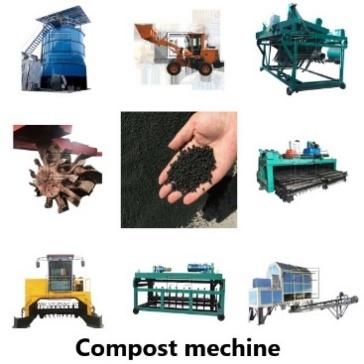
In the pursuit of sustainable waste management practices, a new generation of compost machines has emerged. These innovative compost machines offer advanced features and technologies to streamline the composting process, enhance efficiency, and contribute to a greener future.
Cutting-Edge Features of New Compost Machines:
Intelligent Automation: New compost machines incorporate intelligent automation systems that monitor and control the composting process. These systems regulate temperature, moisture levels, and aeration, ensuring optimal conditions for microbial activity and accelerated decomposition.
Efficient Shredding and Grinding: Advanced shredding and grinding mechanisms in new compost machines break down organic waste materials into smaller fragments, increasing the surface area for microbial activity and expediting the composting process.
Odor and Emission Control: State-of-the-art compost machines are equipped with advanced odor and emission control systems. These systems utilize filters, biofilters, and bio-scrubbers to capture and neutralize odorous compounds and minimize air pollutants, ensuring a clean and odor-free composting environment.
Real-time Monitoring and Reporting: New compost machines are integrated with advanced monitoring systems that provide real-time data on temperature, moisture levels, pH, and other crucial parameters. Operators can track the composting progress and make necessary adjustments to optimize efficiency and quality.
Energy Efficiency: Many new compost machines prioritize energy efficiency through features such as variable speed controls, energy-saving motors, and heat recovery systems. These technologies reduce energy consumption and operational costs while minimizing the environmental footprint.
Benefits of New Compost Machines:
Faster Composting: The advanced features of new compost machines, such as efficient shredding, intelligent automation, and optimal environmental control, significantly accelerate the composting process. This results in shorter composting cycles and increased overall productivity.
Improved Compost Quality: The precision control systems in new compost machines ensure consistent composting conditions, leading to higher-quality compost with balanced nutrient content. This nutrient-rich compost can enhance soil health, fertility, and crop productivity.
Reduced Waste Volume and Landfill Diversion: By processing organic waste into compost, new compost machines help divert significant volumes of waste from landfills. This reduces the environmental impact of waste disposal and contributes to a circular economy by converting waste into a valuable resource.
Environmental Sustainability: New compost machines contribute to environmental sustainability by minimizing greenhouse gas emissions, controlling odors, and reducing reliance on chemical fertilizers. The production and use of high-quality compost from these machines promote sustainable agriculture, landscaping, and soil restoration practices.
Applications of New Compost Machines:
Municipal and Industrial Composting Facilities: New compost machines are well-suited for large-scale composting operations in municipal facilities and industrial settings. They can efficiently process organic waste from households, restaurants, agricultural activities, and food processing industries.
Agriculture and Horticulture: New compost machines find applications in agricultural operations, nurseries, and horticultural practices. They enable farmers and growers to transform agricultural residues, manure, and green waste into nutrient-rich compost that improves soil health and enhances crop yields.
Landscaping and Soil Remediation: The use of new compost machines in landscaping projects and soil remediation efforts allows for the efficient processing of green waste, construction debris, and soil amendments. The resulting compost aids in soil enrichment, erosion control, and the establishment of sustainable green spaces.
The advent of new compost machines marks a significant advancement in sustainable waste management. With intelligent automation, efficient shredding, odor control systems, and real-time monitoring capabilities, these machines offer faster composting, improved compost quality, waste volume reduction, and environmental sustainability. Their applications span across municipal facilities, industrial composting, agriculture, landscaping, and soil remediation.
Related products
-
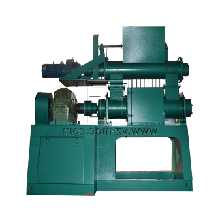
Double screw extrusion fertilizer granulator
A double screw extrusion fertilizer granulator is a type of fertilizer granulator that uses a pair of intermeshing screws to compress and shape the raw materials into pellets or granules. The granulator works by feeding the raw materials into the extrusion chamber, where they are compressed and extruded through small holes in the die. As the materials pass through the extrusion chamber, they are shaped into pellets or granules of a uniform size and shape. The size of the holes in the die can ...
-
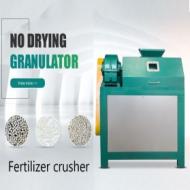
Dry granulation machine
The dry granulator produces a superimposed motion effect through the rotation of the rotor and the cylinder, which can improve the mixing efficiency, promote the mixing between them, and achieve more efficient granulation in production.
-

Organic Fertilizer Linear Vibrating Sieving Mac...
Organic Fertilizer Linear Vibrating Sieving Machine is a type of screening equipment that uses linear vibration to screen and separate organic fertilizer particles according to their size. It consists of a vibrating motor, a screen frame, a screen mesh, and a vibration damping spring. The machine works by feeding the organic fertilizer material into the screen frame, which contains a mesh screen. The vibrating motor drives the screen frame to vibrate linearly, causing the fertilizer particles...
-
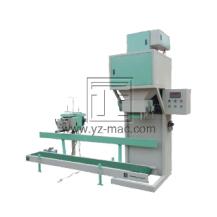
Chicken manure fertilizer supporting equipment
Chicken manure fertilizer supporting equipment includes various machines and tools that support the production and processing of chicken manure fertilizer. Some of the commonly used supporting equipment include: 1.Compost turner: This equipment is used to turn and mix the chicken manure during the composting process, allowing for better aeration and decomposition. 2.Grinder or crusher: This equipment is used to crush and grind the chicken manure into smaller particles, making it easier to han...
-
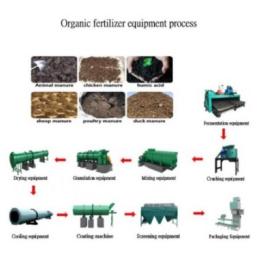
Organic fertilizer production line
The organic fertilizer production line is to convert various organic wastes into organic fertilizers through different processes. The organic fertilizer factory can not only turn various livestock and poultry manure, kitchen waste, etc. generate environmental benefits. Organic fertilizer production line equipment mainly includes: 1. Fermentation equipment: trough type turner, crawler type turner, chain plate type turner. 2. Pulverizer equipment: semi-wet material pulverizer, vertical pulveriz...
-
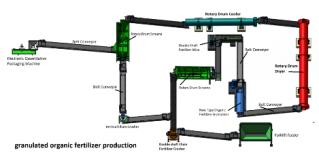
Organic Fertilizer Production Line Price
The price of an organic fertilizer production line can vary depending on several factors, such as the production capacity, the equipment and technology used, the complexity of the production process, and the location of the manufacturer. As a rough estimate, a small-scale organic fertilizer production line with a capacity of 1-2 tons per hour can cost around $10,000 to $30,000, while a larger production line with a capacity of 10-20 tons per hour can cost $50,000 to $100,000 or more. However,...