

Mechanical composter
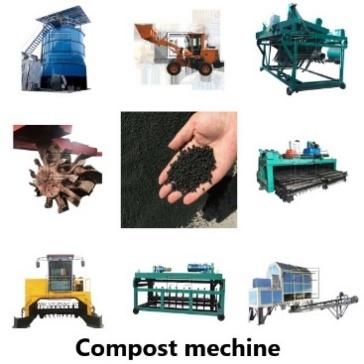
A mechanical composter is a revolutionary waste management solution that utilizes advanced technology to efficiently convert organic waste into valuable compost. Unlike traditional composting methods, which rely on natural decomposition processes, a mechanical composter accelerates the composting process through controlled conditions and automated mechanisms.
Benefits of a Mechanical Composter:
Rapid Composting: A mechanical composter significantly reduces composting time compared to traditional methods. By providing optimal conditions for microbial activity, such as temperature, moisture, and aeration control, it accelerates the breakdown of organic waste into compost in a shorter period.
Enhanced Efficiency: Mechanical composters offer consistent and reliable performance, ensuring high productivity and efficiency in waste conversion. The automated processes, including mixing, turning, and temperature management, eliminate the need for manual labor and provide a more controlled composting environment.
Odor and Pest Control: The closed and controlled design of a mechanical composter helps contain odors and prevent pest infestations. The efficient decomposition process minimizes foul odors typically associated with organic waste, making it more suitable for urban and residential areas.
Nutrient-Rich Compost: The controlled conditions in a mechanical composter promote the breakdown of organic matter into nutrient-rich compost. The resulting compost is of high quality, with balanced nutrient content, ideal for enriching soils, promoting plant growth, and reducing reliance on chemical fertilizers.
Working Principle of a Mechanical Composter:
A mechanical composter utilizes a combination of automated processes and controlled environmental factors to facilitate waste decomposition. The composting chamber is designed with features such as mixing blades, aeration systems, temperature sensors, and moisture control mechanisms. These components work together to create an ideal environment for microbial activity, ensuring efficient breakdown of organic waste into compost.
The waste is introduced into the composting chamber, where the mixing blades ensure thorough blending and aeration of the materials. The aeration system promotes oxygen circulation, crucial for aerobic decomposition. Temperature sensors and heating elements help maintain optimal composting temperatures, supporting microbial activity and speeding up the process. Moisture control mechanisms regulate the moisture content within the composter, ensuring ideal conditions for microbial growth.
Applications of Mechanical Composters:
Municipal Waste Management: Mechanical composters are widely used in municipal waste management systems. They offer an efficient and sustainable solution for processing organic waste from residential, commercial, and industrial sources, reducing landfill reliance and promoting resource recovery.
Food Processing Industries: Mechanical composters find applications in food processing industries, where significant quantities of organic waste are generated. By converting food waste into compost, these industries can reduce disposal costs, improve sustainability practices, and contribute to circular economy initiatives.
Agricultural and Farming Operations: Mechanical composters benefit agricultural and farming operations by providing a convenient method for converting agricultural residues, livestock manure, and crop residues into nutrient-rich compost. This compost can be used to enrich soils, improve soil structure, and enhance crop productivity.
Educational and Research Institutions: Mechanical composters are valuable tools for educational institutions, research facilities, and environmental organizations. They enable hands-on learning opportunities, research studies on composting processes, and the development of sustainable waste management strategies.
A mechanical composter offers an efficient, controlled, and automated solution for converting organic waste into valuable compost. With benefits such as rapid composting, enhanced efficiency, odor and pest control, and nutrient-rich compost production, mechanical composters contribute to sustainable waste management practices. They find applications in municipal waste management, food processing industries, agricultural operations, and educational institutions. By adopting mechanical composters, we can divert organic waste from landfills, reduce environmental impact, and contribute to a more sustainable and circular economy.
Related products
-
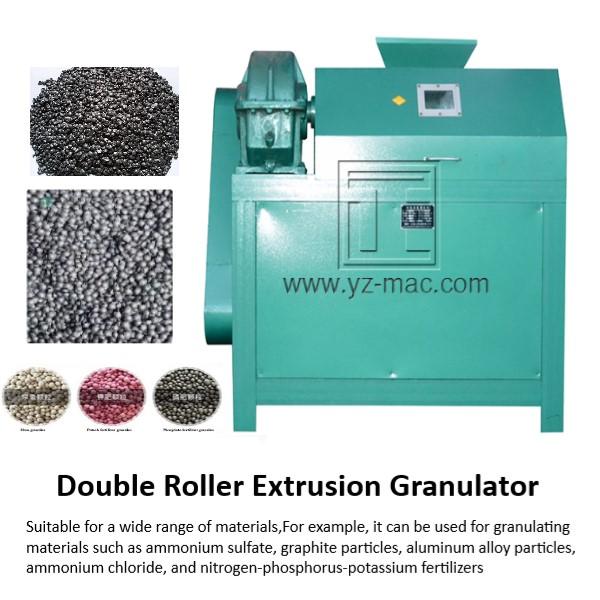
Graphite grain pelletizing equipment manufacturer
Make sure to evaluate their product offerings, capabilities, certifications, and customer reviews to ensure they meet your specific requirements for quality, efficiency, and customization. Additionally, consider reaching out to industry associations or trade shows related to graphite processing or pelletizing, as they can provide valuable resources and connections to reputable manufacturers in the field. https://www.yz-mac.com/roll-extrusion-compound-fertilizer-granulator-product/
-
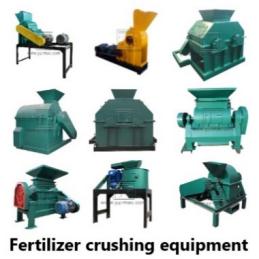
High Concentration Biological Fertilizer Grinder
A high concentration biological fertilizer grinder is a machine used for grinding and crushing high concentration biological fertilizer materials into fine particles. The grinder can be used to process materials like microbial agents, fungi, and other biological materials with high nutrient content. Here are some common types of high concentration biological fertilizer grinders: 1.Hammer mill crusher: A hammer mill crusher is a machine that uses a series of hammers rotating at high speed to c...
-
Compost turner machine for sale
Where can buy an organic composter? The company is mainly engaged in a complete production line of organic fertilizer and compound fertilizer. It has a large-scale equipment production base of 80,000 square meters, providing turners, pulverizers, granulators, rounders, screening machines, dryers, coolers, packaging machines, etc. Full set of fertilizer production line equipment, reasonable price and excellent quality.
-
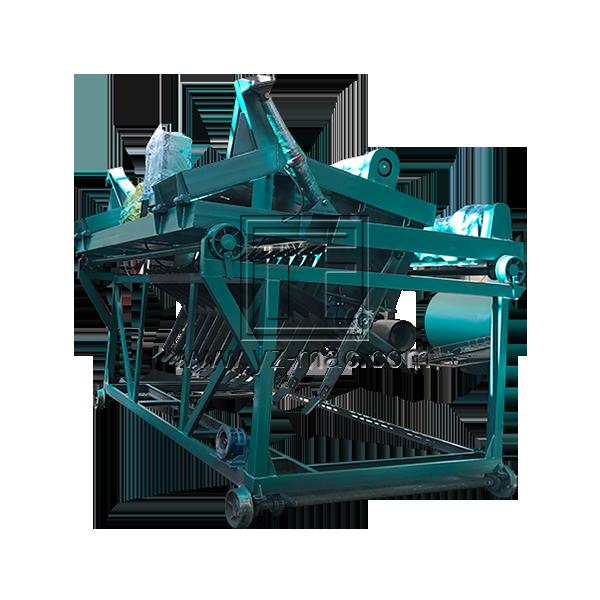
Organic Compost Turner
An organic compost turner is a machine used in the process of composting to turn and mix organic materials. It is designed to aerate the compost pile, add oxygen to the pile, and facilitate the breakdown of organic materials. The turner helps to speed up the composting process by creating an environment that is conducive to the growth of microorganisms that break down organic matter into nutrient-rich compost. There are several types of organic compost turners, including manual and automatic ...
-
Composting equipment
Composting equipment plays a crucial role in the efficient and effective process of converting organic waste into nutrient-rich compost. Various types of composting equipment are available, each designed to cater to different scales of operation and specific composting requirements. Compost Turners: Compost turners are machines designed to aerate and mix the compost pile, promoting decomposition and accelerating the composting process. They come in various configurations, including tractor-m...
-
Compound fertilizer fermentation equipment
Compound fertilizer fermentation equipment is used to ferment raw materials for producing compound fertilizer. The equipment typically includes a compost turner, which is used to mix and turn the raw materials to ensure they are fully fermented. The turner can be either self-propelled or pulled by a tractor. Other components of the compound fertilizer fermentation equipment can include a crushing machine, which can be used to crush the raw materials before they are fed into the fermenter. A m...