

Organic Fertilizer Production Technology

Organic fertilizer production technology typically involves the following steps:
1.Raw material collection: Collecting organic materials such as animal manure, crop residues, and organic waste materials.
2.Pre-treatment: Pre-treatment includes removing impurities, grinding and mixing to obtain uniform particle size and moisture content.
3.Fermentation: Fermenting the pre-treated materials in an organic fertilizer composting turner to allow microorganisms to decompose and convert the organic matter into a stable form.
4.Crushing: Crushing the fermented materials to obtain uniform particle size and make it easier for granulation.
5.Mixing: Mixing the crushed materials with other additives such as microbial agents and trace elements to improve the nutrient content of the final product.
6.Granulation: Granulating the mixed materials using an organic fertilizer granulator to obtain granules of uniform size and shape.
7.Drying: Drying the granulated materials to reduce moisture content and increase the shelf life of the final product.
8.Cooling: Cooling the dried materials to ambient temperature to make it easier for storage and packaging.
9.Screening: Screening the cooled materials to remove fines and ensure the final product is of high quality.
10.Packaging: Packaging the screened and cooled organic fertilizer into bags of desired weights and sizes.
Some of the advanced organic fertilizer production technologies include:
1.Bio-organic fertilizer production technology: This technology involves the use of microbial agents such as bacteria, fungi, and actinomycetes to convert organic matter into a stable and nutrient-rich form.
2.Complete set of equipment for organic fertilizer production: This technology involves using a complete set of equipment such as fermentation turner, crusher, mixer, granulator, dryer, cooler, screener, and packing machine for efficient and automated organic fertilizer production.
3.Organic fertilizer production technology with harmless treatment of livestock and poultry manure: This technology involves using advanced technologies such as high-temperature composting and anaerobic digestion to treat and sterilize livestock and poultry manure to produce organic fertilizers that are free from pathogens and harmful substances.
The choice of organic fertilizer production technology depends on various factors such as the availability of raw materials, production capacity, and investment budget.
Related products
-
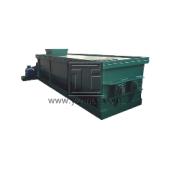
Cow manure fertilizer mixing equipment
Cow manure fertilizer mixing equipment is used to blend the fermented cow manure with other materials to create a balanced, nutrient-rich fertilizer that can be applied to crops or plants. The process of mixing helps to ensure that the fertilizer has a consistent composition and distribution of nutrients, which is essential for optimal plant growth and health. The main types of cow manure fertilizer mixing equipment include: 1.Horizontal mixers: In this type of equipment, the fermented cow ma...
-
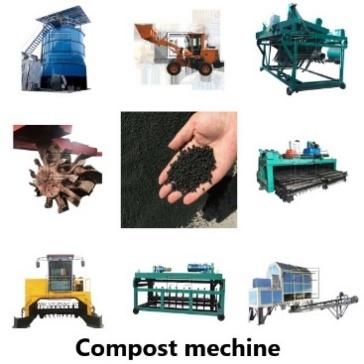
Composting systems
Composting systems are efficient and sustainable methods of converting organic waste into nutrient-rich compost. They play a crucial role in waste management, soil improvement, and sustainable agriculture. Windrow Composting: Windrow composting involves creating long, narrow piles or rows of organic waste materials. This method is commonly used in larger-scale operations, such as farms, municipalities, and composting facilities. The windrows are periodically turned to provide aeration and pro...
-
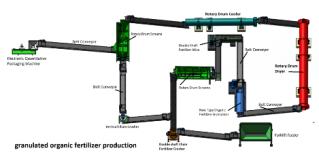
Granular organic fertilizer production equipment
Granular organic fertilizer production equipment is used to produce granular organic fertilizer from organic materials such as animal manure, crop straw, and kitchen waste. The basic equipment that may be included in this set are: 1.Composting Equipment: This equipment is used to ferment organic materials and convert them into high-quality organic fertilizers. Composting equipment can include a compost turner, a crushing machine, and a mixing machine. 2.Crushing and Mixing Equipment: This equ...
-
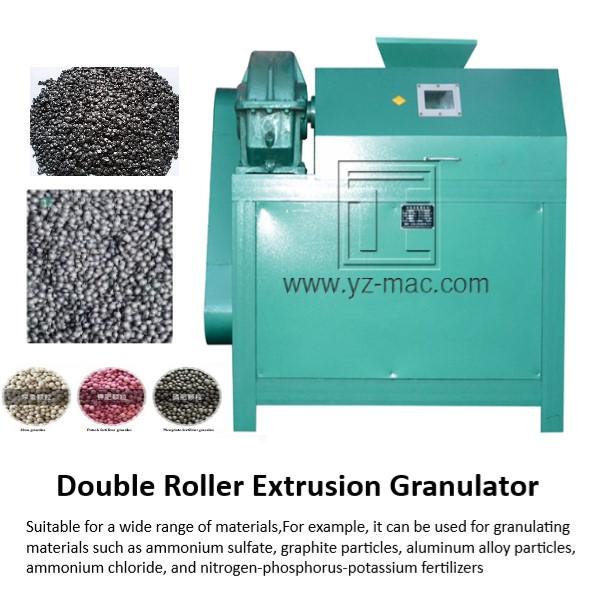
Granulation of graphite particles
Granulation of graphite particles refers to the specific process of treating graphite raw materials to form particles with a certain size, shape, and structure. This process typically involves applying pressure, extrusion, grinding, and other actions to the graphite raw materials, causing them to undergo plastic deformation, bonding, and solidification during the formation process. The steps involved in the granulation process of graphite particles are as follows: 1. Raw material pre-processi...
-
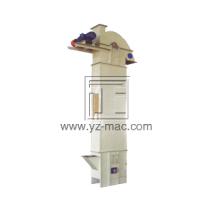
Bucket elevator
A bucket elevator is a type of industrial equipment used to vertically transport bulk materials, such as grains, fertilizers, and minerals. The elevator consists of a series of buckets attached to a rotating belt or chain, which lifts the material from a lower to a higher level. The buckets are typically made of heavy-duty materials such as steel, plastic, or rubber, and are designed to hold and transport the bulk material without spilling or leaking. The belt or chain is driven by a motor or...
-
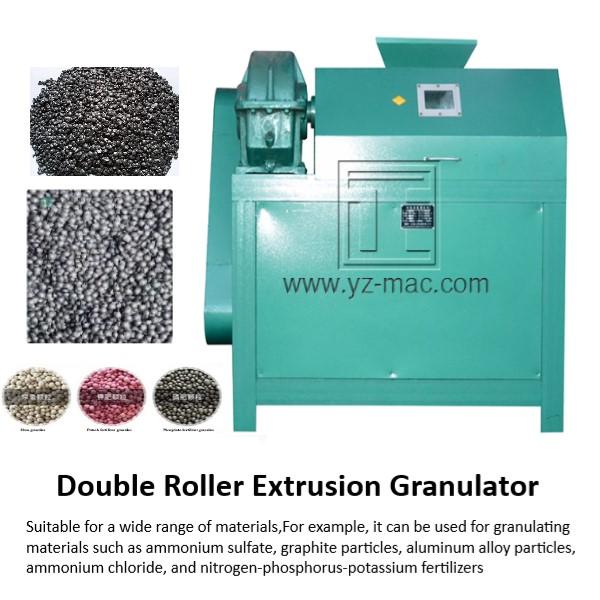
Graphite granule extrusion granulation process
The graphite granule extrusion granulation process is a method used to produce graphite granules through extrusion. It involves several steps that are typically followed in the process: 1. Material Preparation: Graphite powder, along with binders and other additives, is mixed together to form a homogeneous mixture. The composition and ratio of the materials can be adjusted based on the desired properties of the graphite granules. 2. Feeding: The prepared mixture is fed into the extruder, whic...