

Machine for cow dung
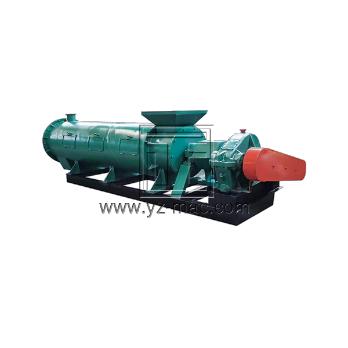
A machine for cow dung, also known as a cow dung processing machine or cow dung fertilizer machine, is an innovative technology designed to efficiently convert cow dung into valuable resources. This machine harnesses the power of nature and helps transform cow dung into organic fertilizer, biogas, and other useful byproducts.
Benefits of a Cow Dung Processing Machine:
Sustainable Waste Management: A cow dung processing machine addresses the challenge of managing cow dung, which can be a significant environmental concern. By processing cow dung, it helps reduce methane emissions and odors associated with traditional cow dung management methods, contributing to a cleaner and healthier environment.
Organic Fertilizer Production: The machine efficiently converts cow dung into organic fertilizer, a valuable resource for agriculture. Cow dung contains essential nutrients such as nitrogen, phosphorus, and potassium, which are crucial for plant growth. The resulting organic fertilizer enriches the soil, improves soil structure, and promotes sustainable and eco-friendly farming practices.
Biogas Generation: Cow dung processing machines often incorporate biogas production capabilities. They utilize anaerobic digestion to break down cow dung and produce biogas, a renewable energy source composed mainly of methane. Biogas can be used for cooking, heating, electricity generation, and various other applications, reducing reliance on fossil fuels and mitigating greenhouse gas emissions.
Byproduct Utilization: In addition to organic fertilizer and biogas, cow dung processing machines may yield other valuable byproducts. These can include liquid fertilizers, which are nutrient-rich solutions that can be used in foliar applications or irrigation systems, and solid residues, which can be further processed into fuel pellets or used as raw materials in various industries.
Working Principle of a Cow Dung Processing Machine:
A cow dung processing machine typically involves multiple stages, including solid-liquid separation, anaerobic digestion, and post-treatment processes. The machine first separates solid and liquid components from the cow dung, removing excess moisture and facilitating subsequent processing steps. The solid fraction can be used for composting or further processing into solid fertilizers or fuel pellets. The liquid fraction undergoes anaerobic digestion to produce biogas, which can be captured and utilized as a renewable energy source. The remaining liquid can be further treated and processed into liquid fertilizers or used for irrigation purposes.
Applications of Cow Dung-Derived Products:
Agriculture and Horticulture: Cow dung-derived organic fertilizer is widely used in agriculture and horticulture. It provides essential nutrients to crops, improves soil fertility, enhances water-holding capacity, and promotes sustainable soil management practices.
Renewable Energy Generation: Biogas produced from cow dung can be used for cooking, heating, or electricity generation. It serves as a sustainable alternative to conventional fossil fuels, reducing greenhouse gas emissions and dependence on non-renewable energy sources.
Waste-to-Value Conversion: Cow dung processing machines enable the transformation of cow dung from a waste material into valuable products. This waste-to-value conversion promotes sustainable waste management practices and supports the circular economy.
Environmental Remediation: Cow dung-derived products, such as organic fertilizers, can be used in land reclamation and remediation projects. They help improve soil quality, restore degraded land, and promote vegetation establishment in areas affected by mining, construction, or other disturbances.
A cow dung processing machine offers numerous benefits, including sustainable waste management, organic fertilizer production, biogas generation, and the utilization of valuable byproducts. By efficiently processing cow dung, this technology helps reduce environmental impacts, promotes sustainable agriculture, and contributes to renewable energy generation.
Related products
-
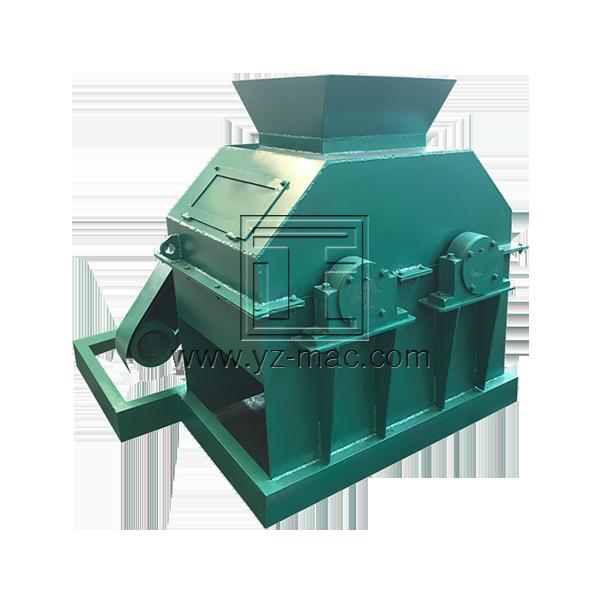
Bio organic fertilizer grinder
A bio organic fertilizer grinder is a type of equipment used in the production of bio organic fertilizer. It is used to grind organic materials into fine powder or small particles to prepare for the next step of the production process. The grinder can be used to process a variety of organic materials, such as animal manure, crop straw, mushroom residue, and municipal sludge. The ground materials are then mixed with other components to create a bio organic fertilizer blend. The grinder is typi...
-

Fertilizer blenders
Fertilizer blenders, also known as fertilizer mixing machines, are specialized equipment designed to blend various fertilizer components into a homogeneous mixture. These machines play a crucial role in the fertilizer production process by ensuring the precise and uniform distribution of nutrients in fertilizers. Benefits of Fertilizer Blenders: Uniform Nutrient Distribution: Fertilizer blenders ensure the even distribution of nutrients throughout the fertilizer mixture. This uniformity guara...
-
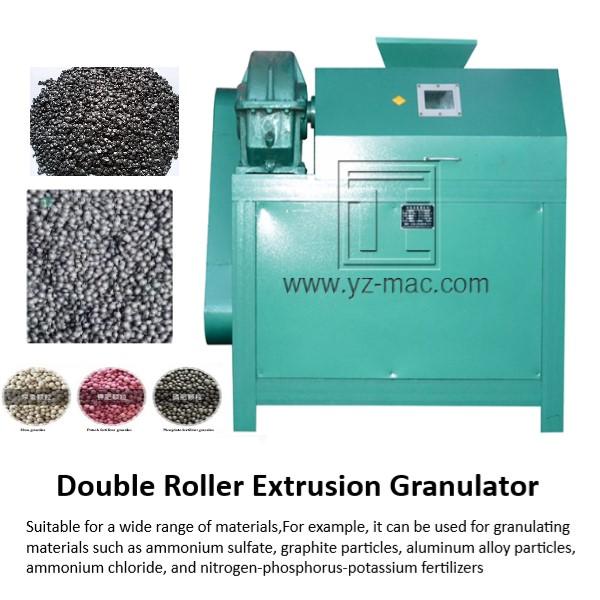
Graphite granule granulation equipment
Graphite granule granulation equipment refers to the machinery and equipment used to granulate or pelletize graphite materials into granules of specific sizes and shapes. This equipment is designed to process graphite powders or mixtures with binders and additives to form compact and uniform granules. Some common types of graphite granule granulation equipment include: 1. Granulators: Granulators are commonly used in the granulation process to transform graphite powder into granules. They uti...
-
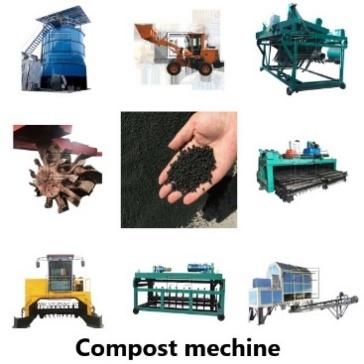
Industrial compost machine
An industrial compost machine is a powerful and efficient solution designed to streamline large-scale composting operations. With its robust capabilities, advanced features, and high processing capacity, an industrial compost machine ensures the effective decomposition and transformation of organic waste into nutrient-rich compost. Key Features of an Industrial Compost Machine: High Processing Capacity: Industrial compost machines are engineered to handle large volumes of organic waste effic...
-

commercial compost machine
A commercial compost machine is a type of equipment used to produce compost on a larger scale than home composting. These machines are designed to handle large volumes of organic waste, such as food waste, yard waste, and agricultural byproducts, and are typically used in commercial composting facilities, municipal composting operations, and large-scale farms and gardens. Commercial compost machines come in a variety of sizes and designs, ranging from small, portable units to large, industria...
-

Dry Press Granulator
A dry powder granulator is an advanced equipment designed to transform dry powders into uniform and consistent granules. This process, known as dry granulation, offers numerous advantages, including improved handling, reduced dust formation, enhanced flowability, and simplified storage and transportation of powdered materials. Benefits of Dry Powder Granulation: Improved Material Handling: Dry powder granulation eliminates the challenges associated with handling and processing fine powders. G...