

Dry Press Granulator

A dry powder granulator is an advanced equipment designed to transform dry powders into uniform and consistent granules. This process, known as dry granulation, offers numerous advantages, including improved handling, reduced dust formation, enhanced flowability, and simplified storage and transportation of powdered materials.
Benefits of Dry Powder Granulation:
Improved Material Handling: Dry powder granulation eliminates the challenges associated with handling and processing fine powders. Granules are easier to handle, reducing dust formation, spillage, and operator exposure to potentially hazardous materials. This improves overall workplace safety and minimizes material losses.
Enhanced Flowability: Granules exhibit better flow characteristics compared to powders, allowing for smoother and more consistent material flow through conveying and processing systems. Improved flowability ensures efficient material transfer, reduced clogging, and enhanced process reliability.
Dust Reduction: Dry powder granulation significantly reduces airborne dust, which is a common issue in powder handling. Granules minimize dust dispersion, promoting a cleaner working environment and reducing the risk of respiratory issues for workers. This is particularly beneficial in industries with stringent safety and health regulations.
Simplified Storage and Transportation: Granules occupy less space compared to powders, leading to efficient storage and transportation. The increased density of granules enables more economical use of storage facilities and reduces shipping costs, making it a cost-effective solution for industries dealing with bulk materials.
Working Principle of Dry Powder Granulators:
Dry powder granulators employ various techniques to transform powders into granules. One commonly used method is compaction, where the powder is subjected to high pressure between two rollers or through a mechanical press. The compressed powder forms a solid compact, which is then broken into granules using a granulator or mill. Another method involves adding a binder or liquid to the powder, which is then mixed, dried, and granulated using processes such as spray drying, fluid bed granulation, or high shear granulation.
Applications of Dry Powder Granulators:
Pharmaceutical Industry: Dry powder granulation finds extensive use in pharmaceutical manufacturing. It enables the production of granules that are easier to handle and formulate into tablets or capsules. Granules provide better content uniformity, controlled release characteristics, and improved dissolution properties, ensuring consistent medication delivery.
Chemical Industry: Dry powder granulators are employed in the chemical industry for the production of granules used in various applications, such as catalysts, fertilizers, pigments, and specialty chemicals. Granulation enhances the flowability, stability, and handling of chemical powders, facilitating efficient processing and improving product quality.
Food and Beverage Industry: Dry powder granulation is utilized in the food and beverage industry to produce granules for applications such as instant beverages, seasonings, food additives, and nutritional supplements. Granules offer improved solubility, dispersibility, and ease of handling in food processing and packaging operations.
Agricultural Industry: Dry powder granulation plays a crucial role in the agricultural sector for the production of granular fertilizers, soil amendments, and crop protection products. Granules provide controlled nutrient release, enhanced soil compatibility, and improved handling characteristics, supporting efficient and sustainable agricultural practices.
Dry powder granulators offer significant advantages in transforming powders into granules, improving material handling, reducing dust formation, enhancing flowability, and simplifying storage and transportation. These machines find applications in various industries, including pharmaceuticals, chemicals, food and beverages, and agriculture. Dry powder granulation enables the production of uniform and consistent granules with improved characteristics, supporting efficient manufacturing processes and enhancing product quality. By incorporating dry powder granulators into their operations, industries can optimize material utilization, reduce waste, and achieve cost-effective and sustainable production practices.
Related products
-

Compost blender machine
A compost blender machine, also known as a compost mixing machine or compost turner, is a specialized equipment used to mix and blend compost materials. It plays a crucial role in the composting process by ensuring proper aeration, moisture distribution, and the uniform blending of organic materials. Here are the key features and benefits of compost blender machines: Efficient Mixing and Blending: Compost blender machines are designed to thoroughly mix and blend organic materials in the compo...
-
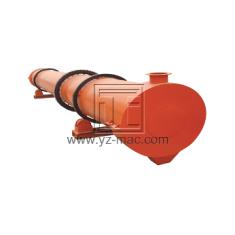
Organic fertilizer dryer maintenance
Proper maintenance of an organic fertilizer dryer is important to ensure its efficient operation and to extend its lifespan. Here are some tips for maintaining an organic fertilizer dryer: 1.Regular cleaning: Clean the dryer regularly, especially after use, to prevent buildup of organic material and debris that can affect its efficiency. 2.Lubrication: Lubricate the moving parts of the dryer, such as the bearings and gears, according to the manufacturer’s recommendations. This will help...
-
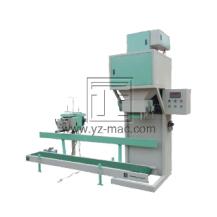
Chicken manure fertilizer supporting equipment
Chicken manure fertilizer supporting equipment includes various machines and tools that support the production and processing of chicken manure fertilizer. Some of the commonly used supporting equipment include: 1.Compost turner: This equipment is used to turn and mix the chicken manure during the composting process, allowing for better aeration and decomposition. 2.Grinder or crusher: This equipment is used to crush and grind the chicken manure into smaller particles, making it easier to han...
-
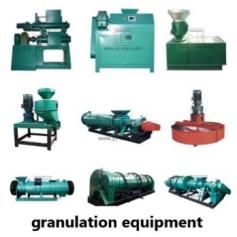
Organic fertilizer granulator
Organic fertilizer granulators are machines that are used to convert organic materials into granules or pellets, which can then be used as a slow-release fertilizer. These machines work by compressing and shaping the organic materials into uniform particles of a specific size and shape, which can improve the effectiveness and efficiency of the fertilization process. There are several types of organic fertilizer granulators, including: 1.Disc Granulator: This machine uses a rotating disc to fo...
-
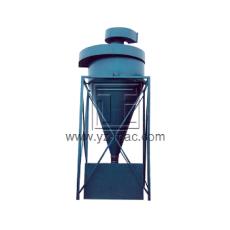
Cyclone dust collector equipment
Cyclone dust collector equipment is a type of air pollution control equipment used to remove particulate matter (PM) from gas streams. It uses a centrifugal force to separate the particulate matter from the gas stream. The gas stream is forced to spin in a cylindrical or conical container, creating a vortex. The particulate matter is then thrown to the wall of the container and collected in a hopper, while the cleaned gas stream exits through the top of the container. Cyclone dust collector e...
-
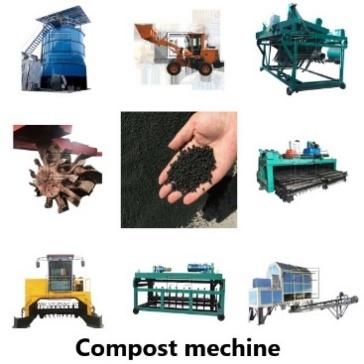
Mechanical composter
A mechanical composter is a revolutionary waste management solution that utilizes advanced technology to efficiently convert organic waste into valuable compost. Unlike traditional composting methods, which rely on natural decomposition processes, a mechanical composter accelerates the composting process through controlled conditions and automated mechanisms. Benefits of a Mechanical Composter: Rapid Composting: A mechanical composter significantly reduces composting time compared to traditi...