

Organic fertilizer machine
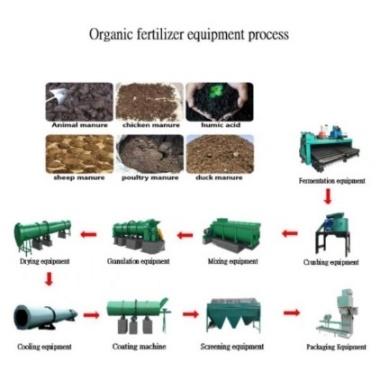
An organic fertilizer machine, also known as a composting machine or organic fertilizer production equipment, is a specialized device designed to convert organic waste into nutrient-rich fertilizer. By utilizing natural processes, these machines transform organic materials into organic fertilizers that enhance soil health, improve plant growth, and promote sustainable agriculture.
Benefits of Organic Fertilizer Machines:
Environmentally Friendly: Organic fertilizer machines contribute to sustainable agriculture by reducing the reliance on chemical fertilizers. They enable the conversion of organic waste materials into valuable fertilizers, minimizing waste generation and reducing environmental pollution associated with the disposal of organic waste.
Nutrient-Rich Fertilizers: Organic fertilizer machines break down organic waste through processes such as composting, fermentation, or vermicomposting. These processes transform the organic materials into nutrient-rich fertilizers that contain essential elements for plant growth, including nitrogen (N), phosphorus (P), and potassium (K), as well as beneficial microorganisms.
Improved Soil Health: Organic fertilizers produced by these machines enrich the soil with organic matter, enhancing soil structure, water-holding capacity, and nutrient retention. They promote the growth of beneficial microorganisms, improve soil biodiversity, and stimulate soil fertility, leading to healthier plants and sustainable soil management.
Cost-Effective Solution: Organic fertilizer machines offer a cost-effective solution for farmers and gardeners. By converting organic waste into organic fertilizers on-site, they reduce the need for purchasing expensive chemical fertilizers. Additionally, the use of organic fertilizers can improve crop yield and quality over the long term, reducing input costs and maximizing returns on investment.
Types of Organic Fertilizer Machines:
Compost Turners: Compost turners are machines designed to facilitate the composting process by mechanically turning and mixing the organic waste materials. They ensure proper aeration, temperature control, and moisture distribution, accelerating the decomposition of organic materials and producing high-quality compost.
Fermenters: Fermenters, or fermentation tanks, are used for anaerobic fermentation of organic waste. These machines create an oxygen-free environment where beneficial microorganisms break down the organic materials, converting them into nutrient-rich organic fertilizers.
Vermicomposters: Vermicomposters utilize worms (typically red worms) to decompose organic waste and produce vermicompost, a nutrient-rich organic fertilizer. These machines provide a controlled environment for the worms to thrive, facilitating the breakdown of organic materials and the conversion into high-quality vermicompost.
Applications of Organic Fertilizer Machines:
Organic Farming: Organic fertilizer machines are extensively used in organic farming practices. They enable farmers to convert farm waste, crop residues, and other organic materials into organic fertilizers, ensuring the use of natural and sustainable inputs for crop production.
Gardening and Horticulture: Gardeners and horticulturists utilize organic fertilizer machines to process kitchen scraps, yard trimmings, and other organic waste into organic fertilizers suitable for nurturing plants in home gardens, community gardens, and ornamental landscapes.
Agricultural Waste Management: Organic fertilizer machines play a crucial role in the proper management of agricultural waste, such as livestock manure, crop residues, and agricultural byproducts. By converting these materials into organic fertilizers, they reduce waste accumulation, prevent environmental pollution, and create valuable resources for crop production.
Environmental Restoration: Organic fertilizer machines are utilized in environmental restoration projects, such as land reclamation and soil remediation. They process organic materials and biomass to produce organic fertilizers that are applied to degraded soils, helping restore soil fertility, promote vegetation growth, and contribute to land rehabilitation efforts.
Organic fertilizer machines offer a sustainable solution for converting organic waste into nutrient-rich fertilizers. These machines contribute to environmentally friendly practices, improve soil health, and reduce reliance on chemical fertilizers. With various types of machines available, such as compost turners, fermenters, and vermicomposters, organic fertilizer production can be customized to suit different needs and applications in organic farming, gardening, waste management, and environmental restoration.
Related products
-
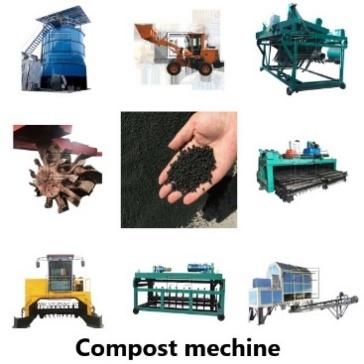
Compost fertilizer machine
A compost fertilizer machine, also known as a compost fertilizer production line or composting equipment, is a specialized machinery used to convert organic waste into high-quality compost fertilizer. These machines streamline the composting process, ensuring efficient decomposition and nutrient-rich fertilizer production. Efficient Composting Process: Compost fertilizer machines are designed to accelerate the composting process, allowing for rapid decomposition of organic waste. They create...
-
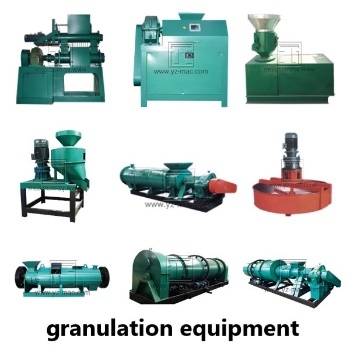
High Quality Fertilizer Granulator
A high-quality fertilizer granulator is a vital machine in the production of granular fertilizers. It plays a significant role in improving nutrient efficiency, enhancing crop yields, and promoting sustainable agriculture. Benefits of a High-Quality Fertilizer Granulator: Efficient Nutrient Delivery: A high-quality fertilizer granulator converts raw materials into granules, ensuring controlled nutrient release. Granular fertilizers provide a consistent and reliable nutrient supply to plants, ...
-
Organic fertilizer composting equipment
Organic fertilizer composting equipment is used to accelerate the decomposition process of organic materials to create high-quality compost. Here are some common types of organic fertilizer composting equipment: 1.Compost turner: This machine is used to turn and mix the organic materials in a compost pile to provide oxygen and promote decomposition. It can be a self-propelled or tractor-mounted machine, or a handheld tool. 2.In-vessel composting system: This system uses a sealed container to ...
-
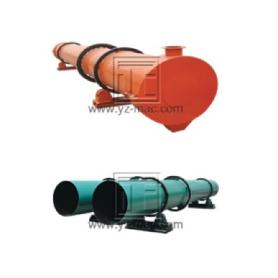
Livestock manure fertilizer drying and cooling ...
Livestock manure fertilizer drying and cooling equipment is used to remove excess moisture from the fertilizer after it has been mixed and to bring it to the desired temperature. This process is necessary to create a stable, granular fertilizer that can be easily stored, transported, and applied. The equipment used for drying and cooling livestock manure fertilizer includes: 1.Dryers: These machines are designed to remove excess moisture from the fertilizer. They can be either direct or indir...
-
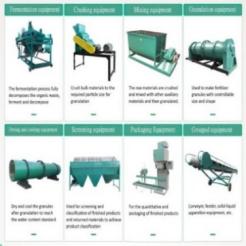
Choose organic fertilizer production equipment
Before purchasing organic fertilizer equipment, we need to understand the production process of organic fertilizer. The general production process is: Raw material batching, mixing and stirring, raw material fermentation, agglomeration and crushing, material granulation, granule drying, granule cooling, granule screening, finished granule coating, finished granule quantitative packaging, etc. Introduction of main equipment of organic fertilizer production line: 1. Fermentation equipment: trou...
-
Fertilizer production line
A fertilizer production line is a comprehensive system designed to efficiently manufacture various types of fertilizers for agricultural use. It involves a series of processes that transform raw materials into high-quality fertilizers, ensuring the availability of essential nutrients for plant growth and maximizing crop yields. Components of a Fertilizer Production Line: Raw Material Handling: The production line starts with the handling and preparation of raw materials, which can include or...