

Organic fertilizer granules making machine
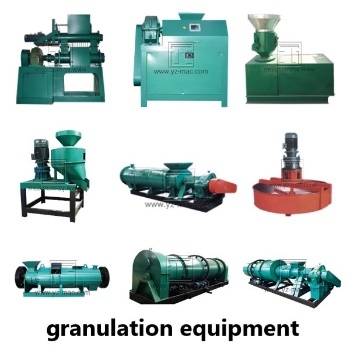
An organic fertilizer granules making machine is a specialized equipment designed to convert organic materials into granular form, making them easier to handle, store, and apply as fertilizers. This machine plays a crucial role in the organic fertilizer production process by transforming raw organic materials into uniform granules with desired nutrient content.
Benefits of an Organic Fertilizer Granules Making Machine:
Improved Nutrient Availability: By converting organic materials into granules, the fertilizer granules making machine enhances the nutrient availability of organic fertilizers. The granules release nutrients gradually, ensuring a consistent supply of essential elements for plant growth and minimizing nutrient loss through leaching or volatilization.
Enhanced Fertilizer Quality: The granules making machine produces uniform and consistent fertilizer granules, which ensures a balanced nutrient distribution within each granule. This results in a high-quality fertilizer product with consistent nutrient content, improving its effectiveness and performance in supporting plant growth and crop yield.
Customizable Granule Size: Organic fertilizer granules can be produced in various sizes using the granules making machine, allowing for flexibility in meeting specific crop and soil requirements. The ability to customize granule size enables targeted nutrient delivery, optimizing fertilizer utilization and minimizing waste.
Ease of Handling and Application: Organic fertilizer granules are easier to handle and apply compared to bulk organic materials. The granular form allows for convenient storage, transportation, and application using traditional fertilizer spreading equipment, ensuring efficient and uniform nutrient distribution across the field.
Working Principle of an Organic Fertilizer Granules Making Machine:
The organic fertilizer granules making machine generally operates based on the following principles:
Mixing and Crushing: Raw organic materials, such as animal manure, crop residues, or compost, are first mixed and crushed to achieve a homogeneous mixture with consistent moisture content.
Granulation Process: The homogeneous mixture is then fed into the granulation chamber of the machine. Through a combination of mechanical force and the addition of binding agents, the mixture is formed into granules of the desired size and shape.
Drying and Cooling: The freshly formed fertilizer granules are subjected to a drying process to remove excess moisture, ensuring the granules’ stability and preventing caking. Subsequently, the granules are cooled to ambient temperature to enhance their hardness and durability.
Screening and Packaging: The final step involves screening the granules to remove any oversized or undersized particles, ensuring uniform granule size distribution. The screened granules are then ready for packaging in suitable containers or bags for storage or distribution.
Applications of Organic Fertilizer Granules Making Machine:
Agricultural Crop Production: Organic fertilizer granules produced using the machine are widely used in agricultural crop production. The granules provide essential nutrients for plant growth, improve soil fertility, and promote sustainable farming practices.
Horticulture and Floriculture: The granular organic fertilizers find applications in horticulture and floriculture for the cultivation of fruits, vegetables, flowers, and ornamental plants. The controlled-release nature of the granules ensures a steady supply of nutrients over an extended period, supporting optimal plant growth and development.
Organic Farming Systems: Organic fertilizer granules align with the principles of organic farming systems by offering a natural and sustainable source of plant nutrients. The granules contribute to soil health, microbial activity, and long-term sustainability, reducing reliance on synthetic fertilizers and promoting ecological balance.
Environmental Land Management: Organic fertilizer granules are used in environmental land management practices, such as land reclamation, soil restoration, and erosion control projects. The slow-release characteristics of the granules provide gradual nutrient release, facilitating soil rehabilitation and vegetation establishment.
An organic fertilizer granules making machine is a valuable asset in organic fertilizer production, offering numerous benefits such as improved nutrient availability, enhanced fertilizer quality, customizable granule size, and ease of handling and application. By transforming raw organic materials into uniform granules, this machine facilitates efficient nutrient delivery to plants, promoting sustainable agriculture and environmental land management practices.
Related products
-
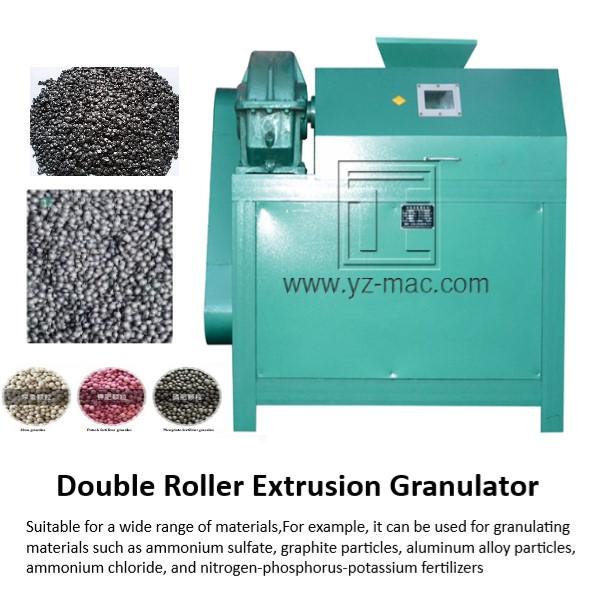
Granulation of graphite particles
Granulation of graphite particles refers to the specific process of treating graphite raw materials to form particles with a certain size, shape, and structure. This process typically involves applying pressure, extrusion, grinding, and other actions to the graphite raw materials, causing them to undergo plastic deformation, bonding, and solidification during the formation process. The steps involved in the granulation process of graphite particles are as follows: 1. Raw material pre-processi...
-

Organic fertilizer processing equipment manufac...
There are many manufacturers of organic fertilizer processing equipment worldwide. > Zhengzhou Yizheng Heavy Machinery Equipment Co., Ltd These manufacturers offer a wide range of organic fertilizer processing equipment, including granulators, dryers, coolers, screening machines, and more. The prices of their equipment can vary depending on factors such as capacity, production process, and customization options. It’s recommended to compare prices and specifications from different manufa...
-
Dry granulation equipment
Dry granulation equipment is a high-efficiency mixing and granulating machine. By mixing and granulating materials of different viscosities in one equipment, it can produce granules that meet the requirements and achieve storage and transportation. particle strength
-
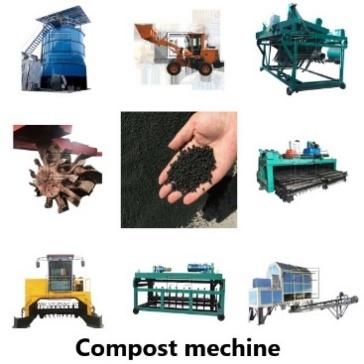
Small Commercial Composter
A small commercial composter is an ideal solution for businesses, institutions, and organizations seeking efficient organic waste management. Designed to handle moderate volumes of organic waste, these compact composters offer a convenient and environmentally friendly way to process organic materials. Benefits of Small Commercial Composters: Waste Diversion: Small commercial composters allow businesses to divert organic waste from landfills, reducing the environmental impact and contributing...
-
Industrial composting
Industrial composting is a systematic and large-scale approach to managing organic waste materials, transforming them into nutrient-rich compost through controlled decomposition processes. This method offers an efficient and sustainable solution for diverting organic waste from landfills, reducing greenhouse gas emissions, and producing valuable compost for various applications. Benefits of Industrial Composting: Waste Diversion: Industrial composting helps divert organic waste materials, su...
-
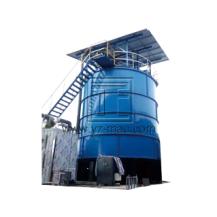
Compound fertilizer fermentation equipment
Compound fertilizer fermentation equipment is used to ferment raw materials for producing compound fertilizer. The equipment typically includes a compost turner, which is used to mix and turn the raw materials to ensure they are fully fermented. The turner can be either self-propelled or pulled by a tractor. Other components of the compound fertilizer fermentation equipment can include a crushing machine, which can be used to crush the raw materials before they are fed into the fermenter. A m...