

Machine for making organic fertilizer
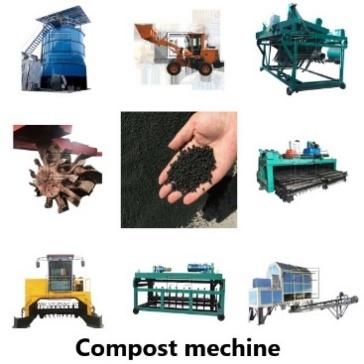
A machine for making organic fertilizer is a valuable tool for transforming organic waste into nutrient-rich compost that can be used to enhance soil fertility and promote sustainable agriculture. These machines offer efficient and effective ways to convert organic materials into high-quality organic fertilizer.
Benefits of Using a Machine for Making Organic Fertilizer:
Nutrient Recycling: A machine for making organic fertilizer allows for the recycling of organic waste materials, such as agricultural residues, animal manure, food waste, and green waste. By transforming these materials into organic fertilizer, valuable nutrients are returned to the soil, reducing the reliance on chemical fertilizers and promoting a circular economy.
Improved Soil Health: Organic fertilizer produced by these machines enhances soil health by improving its structure, water-holding capacity, and nutrient content. It enriches the soil with essential macronutrients (nitrogen, phosphorus, and potassium) as well as micronutrients and organic matter, which are crucial for plant growth and overall soil fertility.
Environmental Sustainability: By utilizing organic waste materials as feedstock, a machine for making organic fertilizer contributes to waste reduction and mitigates environmental pollution. It helps divert organic waste from landfills, reducing greenhouse gas emissions and preventing groundwater contamination.
Cost-Effectiveness: Producing organic fertilizer in-house with a dedicated machine can be a cost-effective solution for farmers and agricultural enterprises. It eliminates the need to purchase commercial fertilizers, reducing input costs and increasing profitability.
Process of Making Organic Fertilizer with a Machine:
Collection and Sorting: Organic waste materials, such as crop residues, animal manure, and food waste, are collected and sorted to remove non-biodegradable contaminants and unwanted materials.
Shredding: The organic waste is shredded into smaller pieces using a shredding machine. This process increases the surface area of the waste, facilitating faster decomposition.
Composting: The shredded organic waste is then placed in a composting vessel or pile, where it undergoes aerobic decomposition. This process is facilitated by regular turning or mixing to provide oxygen and ensure even decomposition.
Curing and Maturing: After the initial composting stage, the material is allowed to cure and mature, typically for several weeks to several months. This allows for further breakdown of organic matter and the development of beneficial microorganisms.
Grinding and Granulation: The cured compost is then processed using a grinding machine to achieve a fine and consistent texture. Granulation machines can also be used to produce granular organic fertilizer, making it easier to handle and apply.
Applications of Organic Fertilizer Making Machines:
Agriculture and Crop Production: Organic fertilizer making machines are widely used in agriculture to supply nutrients to crops. The produced organic fertilizer can be applied directly to the soil or used as a component in organic farming practices, promoting sustainable and environmentally friendly crop production.
Horticulture and Gardens: Organic fertilizer made with these machines is suitable for horticulture and garden applications. It enriches the soil in flower beds, vegetable gardens, and landscaping projects, promoting healthier plant growth and reducing the need for synthetic fertilizers.
Commercial Fertilizer Production: Organic fertilizer making machines can also be used in commercial fertilizer production. These machines provide an efficient and reliable way to produce large quantities of organic fertilizer for distribution to farmers, nurseries, and other agricultural enterprises.
Soil Remediation and Restoration: Organic fertilizer can be utilized in soil remediation and restoration projects. It helps improve soil structure, enhance nutrient content, and promote the establishment of vegetation in degraded or contaminated areas.
A machine for making organic fertilizer offers numerous benefits, including nutrient recycling, improved soil health, environmental sustainability, and cost-effectiveness. By utilizing organic waste materials, these machines contribute to a circular economy, reduce waste, and provide a sustainable solution for soil fertility. The process involves collection, sorting, shredding, composting, curing, grinding, and granulation. Organic fertilizer making machines find applications in agriculture, horticulture, commercial fertilizer production, and soil remediation projects.
Related products
-
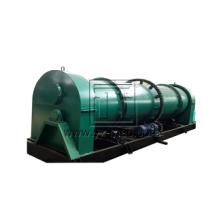
Compound fertilizer granulation equipment
Compound fertilizer granulation equipment is used to produce compound fertilizers, which are fertilizers that contain two or more nutrients. These granulators can be used to produce NPK (nitrogen, phosphorus, and potassium) fertilizers, as well as other types of compound fertilizers that contain secondary and micronutrients. There are several types of compound fertilizer granulation equipment, including: 1.Double Roller Press Granulator: This equipment uses two rotating rollers to compact the...
-
Fertilizer compost machine
Fertilizer blending systems are innovative technologies that allow for precise mixing and formulation of fertilizers. These systems combine different fertilizer components, such as nitrogen, phosphorus, potassium, and micronutrients, to create custom fertilizer blends tailored to specific crop and soil requirements. Benefits of Fertilizer Blending Systems: Customized Nutrient Formulation: Fertilizer blending systems offer the flexibility to create custom nutrient blends based on soil nutrient...
-
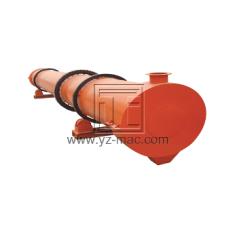
Organic fertilizer vacuum dryer
Organic fertilizer vacuum dryers are a type of drying equipment that uses vacuum technology to dry organic materials. This method of drying operates at lower temperatures than other types of drying, which can help to preserve the nutrients in organic fertilizer and prevent over-drying. The vacuum drying process involves placing the organic material into a vacuum chamber, which is then sealed and the air inside the chamber is removed using a vacuum pump. The reduced pressure inside the chamber...
-
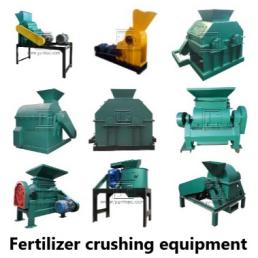
Earthworm manure fertilizer crushing equipment
Earthworm manure is usually a loose, soil-like substance, so there may not be a need for crushing equipment. However, if the earthworm manure is clumpy or contains larger pieces, a crushing machine such as a hammer mill or a crusher can be used to break it down into smaller particles.
-

Compost mixer machine
A compost mixer machine, also known as a compost mixing machine or compost blender, is a specialized equipment used to thoroughly mix organic waste materials during the composting process. These machines play a vital role in achieving a homogeneous mixture and promoting the decomposition of organic matter. Efficient Mixing: Compost mixer machines are designed to ensure the even distribution of organic waste materials throughout the compost pile or system. They employ rotating paddles, augers...
-
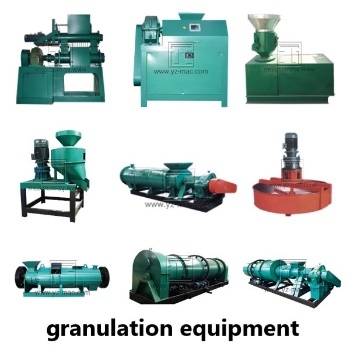
Drum Granulator
A drum granulator is a popular equipment used in fertilizer production. It is designed to convert various materials into uniform, high-quality fertilizer granules. Benefits of a Drum Granulator: Uniform Granule Size: A drum granulator produces fertilizer granules with a consistent size and shape. This uniformity ensures even nutrient distribution in the granules, promoting balanced nutrient uptake by plants and enhancing fertilizer efficiency. Controlled Release of Nutrients: The granules pr...