

Machine for compost
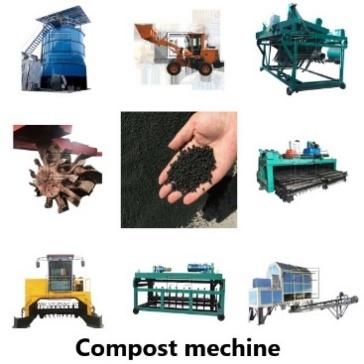
A compost machine, also known as a composting system or composting equipment. These machines are designed to accelerate the composting process, converting organic materials into nutrient-rich compost through controlled decomposition.
Benefits of a Compost Machine:
Efficient Organic Waste Processing: Compost machines provide a highly efficient method for processing organic waste materials. They significantly reduce the time required for decomposition compared to traditional composting methods, enabling faster production of compost.
Waste Volume Reduction: Compost machines break down organic waste materials, such as food scraps, yard trimmings, and agricultural residues, resulting in a significant reduction in waste volume. This reduces the need for storage space and minimizes transportation requirements.
Environmentally Friendly: By diverting organic waste from landfills, compost machines contribute to waste management practices that are more environmentally friendly. Composting reduces greenhouse gas emissions associated with landfilling, promotes resource conservation, and helps mitigate climate change.
Nutrient-Rich Compost Production: Compost machines create high-quality compost that is rich in nutrients, organic matter, and beneficial microorganisms. This nutrient-rich compost can be used to improve soil fertility, enhance plant growth, and support sustainable agriculture and horticulture practices.
Working Principle of a Compost Machine:
Compost machines operate on the principle of controlled decomposition. They create an optimized environment for organic waste breakdown by providing the ideal conditions of temperature, moisture, and oxygen. The machines may incorporate features such as mixing systems, temperature sensors, and aeration mechanisms to ensure proper composting conditions.
Applications of Compost Machines:
Municipal and Commercial Composting: Compost machines are extensively used in larger-scale composting operations, including municipal composting facilities and commercial composting sites. These machines can handle significant volumes of organic waste from households, businesses, and industries, helping municipalities and businesses achieve their waste management goals.
Agricultural and Farming Operations: Compost machines have valuable applications in agricultural and farming operations. They can process crop residues, livestock manure, and other agricultural waste, converting them into nutrient-rich compost. The compost can then be used as a soil amendment to enhance soil fertility, improve crop yields, and reduce the reliance on synthetic fertilizers.
Landscaping and Horticulture: Compost machines play a vital role in the landscaping and horticulture industry. They can process green waste, such as grass clippings, leaves, and tree trimmings, producing high-quality compost that is used for soil improvement, mulching, and landscaping projects.
Compost machines are revolutionizing organic waste management by providing efficient and environmentally friendly solutions for converting organic waste into nutrient-rich compost. These machines offer numerous benefits, including efficient waste processing, waste volume reduction, environmental sustainability, and the production of high-quality compost.
Related products
-
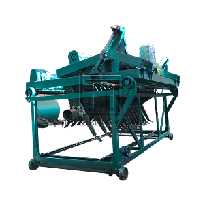
organic waste composting machine
The hydraulic lift turner is suitable for the fermentation and turning of organic wastes such as livestock and poultry manure, sludge waste, sugar mill filter mud, slag cake and straw sawdust. It has high efficiency, stable operation, strong durability and uniform turning. .
-
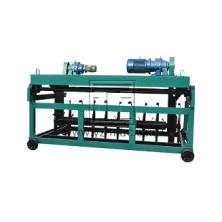
Cow dung fertilizer machine
Use cow dung composting equipment to turn over and ferment cow dung to process organic fertilizer, promote the combination of planting and breeding, ecological cycle, green development, continuously improve and optimize the agricultural ecological environment, and improve the sustainable development of agriculture.
-

Compost large scale
Composting on a large scale refers to the process of managing and processing organic waste materials in significant quantities to produce compost. Waste Diversion and Environmental Impact: Large-scale composting offers a sustainable solution for diverting organic waste from landfills. By composting on a large scale, significant amounts of organic waste materials, such as food waste, yard trimmings, agricultural residues, and bio-based products, can be diverted from traditional waste disposal ...
-
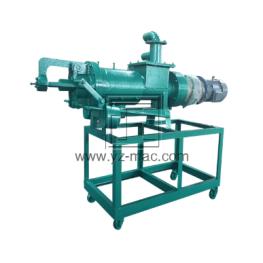
Solid-liquid separation equipment
Solid-liquid separation equipment is used to separate solids and liquids from a mixture. It is commonly used in various industries, including wastewater treatment, agriculture, and food processing. The equipment can be divided into several types based on the separation mechanism used, including: 1.Sedimentation equipment: This type of equipment uses gravity to separate solids from liquids. The mixture is allowed to settle, and the solids settle at the bottom of the tank while the liquid is re...
-
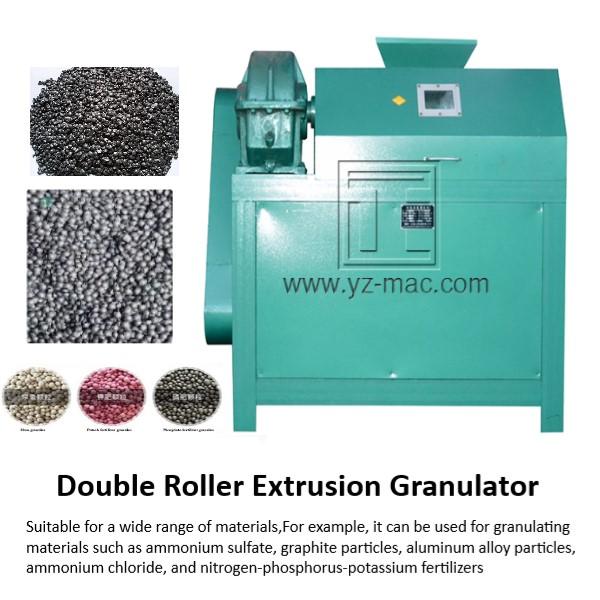
Graphite granule extrusion equipment price
The price of graphite granule extrusion equipment can vary depending on several factors such as the capacity, specifications, quality, and the manufacturer or supplier. Additionally, market conditions and location can also influence the price. To get the most accurate and up-to-date pricing information, it is recommended to directly contact manufacturers, suppliers, or distributors of graphite granule extrusion equipment. They can provide you with detailed quotations and pricing based on your...
-

Graphite extrusion pelletization process
The graphite extrusion pelletization process is a method used to produce graphite pellets through extrusion. It involves the following steps: 1. Preparation of Graphite Mixture: The process starts with the preparation of a graphite mixture. Graphite powder is typically mixed with binders and other additives to achieve the desired properties and characteristics of the pellets. 2. Mixing: The graphite powder and binders are thoroughly mixed together to ensure a uniform distribution of the compo...