

Industrial compost machine
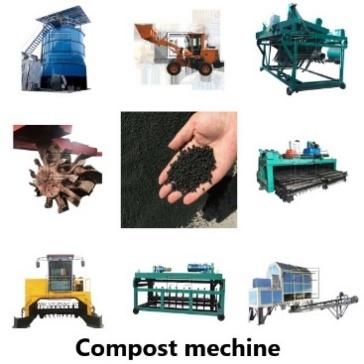
An industrial compost machine is a powerful and efficient solution designed to streamline large-scale composting operations. With its robust capabilities, advanced features, and high processing capacity, an industrial compost machine ensures the effective decomposition and transformation of organic waste into nutrient-rich compost.
Key Features of an Industrial Compost Machine:
High Processing Capacity: Industrial compost machines are engineered to handle large volumes of organic waste efficiently. These machines are designed to process significant quantities of material, making them ideal for commercial composting facilities, municipal composting sites, and other large-scale composting operations.
Advanced Mixing and Aeration Systems: Industrial compost machines are equipped with advanced mixing and aeration systems that ensure proper blending and oxygenation of the composting materials. This promotes a balanced environment for microbial activity, enhancing decomposition and optimizing the composting process.
Temperature and Moisture Control: These machines often feature temperature and moisture control mechanisms to maintain optimal conditions for composting. By monitoring and adjusting temperature and moisture levels, industrial compost machines create an ideal environment that accelerates the decomposition process and promotes the growth of beneficial microorganisms.
Robust Construction: Industrial compost machines are built with durable materials to withstand the rigorous demands of large-scale composting. They are designed to handle heavy-duty operation, including the processing of a wide range of organic waste materials.
Benefits of Using an Industrial Compost Machine:
Efficient and Rapid Composting: Industrial compost machines streamline the composting process, significantly reducing the time required for decomposition. With their high processing capacity and advanced features, these machines ensure faster composting cycles, allowing for a more efficient production of compost.
Consistent and High-Quality Compost: The controlled mixing, aeration, and temperature management capabilities of industrial compost machines result in a consistent and high-quality compost product. The compost produced is rich in nutrients, free from contaminants, and suitable for various applications in agriculture, horticulture, landscaping, and soil remediation.
Waste Diversion and Sustainability: Large-scale composting with industrial compost machines promotes waste diversion from landfills, reducing the environmental impact of organic waste. By transforming organic waste into compost, these machines contribute to sustainable waste management practices and the conservation of natural resources.
Applications of Industrial Compost Machines:
Municipal Composting Facilities: Industrial compost machines are commonly used in municipal composting facilities to process organic waste collected from residential, commercial, and industrial sources. These machines efficiently handle diverse waste streams, including food waste, yard trimmings, and biosolids, producing compost that can be used for municipal landscaping projects or distributed to local farmers.
Commercial Composting Operations: Industrial compost machines are essential for large-scale commercial composting operations, such as composting centers and composting facilities serving agricultural, horticultural, or landscaping industries. These machines enable the processing of significant volumes of organic waste, ensuring a steady supply of high-quality compost for commercial use.
Agricultural and Farming Applications: Industrial compost machines play a crucial role in the agricultural and farming sectors. They process crop residues, manure, and other agricultural byproducts, converting them into nutrient-rich compost for soil improvement, nutrient recycling, and organic farming practices.
Land Remediation and Soil Rehabilitation: Industrial compost machines are utilized in land remediation projects, such as the restoration of degraded or contaminated soils. These machines process organic amendments and soil conditioners, helping to rehabilitate and revitalize the soil, promote vegetation growth, and enhance ecosystem sustainability.
An industrial compost machine offers a powerful and efficient solution for large-scale composting operations. With their high processing capacity, advanced features, and robust construction, these machines streamline the composting process, resulting in efficient and rapid decomposition of organic waste. The consistent production of high-quality compost promotes sustainable waste management practices, supports agricultural and farming applications, and contributes to land remediation and soil rehabilitation efforts.
Related products
-
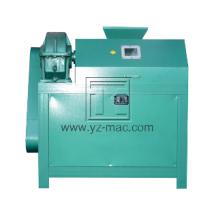
Roller extrusion fertilizer granulation equipment
Roller extrusion fertilizer granulation equipment is a type of machinery used to produce granular fertilizer using a double roller press. The equipment works by compressing and compacting raw materials such as animal manure, crop residues, and other organic materials into small, uniform granules using a pair of counter-rotating rollers. The raw materials are fed into the roller extrusion granulator, where they are compressed between the rollers and forced through the die holes to form the gra...
-
Fertilizer machines
Traditional livestock and poultry manure composting needs to be turned over and stacked for 1 to 3 months according to different waste organic materials. In addition to time-consuming, there are environmental problems such as odor, sewage, and space occupation. Therefore, in order to improve the shortcomings of the traditional composting method, it is necessary to use a fertilizer applicator for composting fermentation.
-
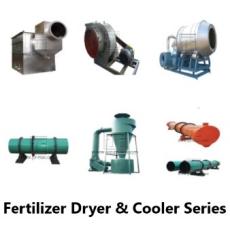
Organic fertilizer drying equipment
Organic fertilizer drying equipment is used to reduce the moisture content of organic fertilizer after the composting process. High moisture levels in organic fertilizer can lead to spoilage and reduced shelf life. There are several types of organic fertilizer drying equipment, including: 1.Rotary drum dryer: This type of dryer is the most commonly used organic fertilizer drying equipment. It consists of a rotating drum that heats and dries the organic fertilizer as it rotates. The drum is he...
-
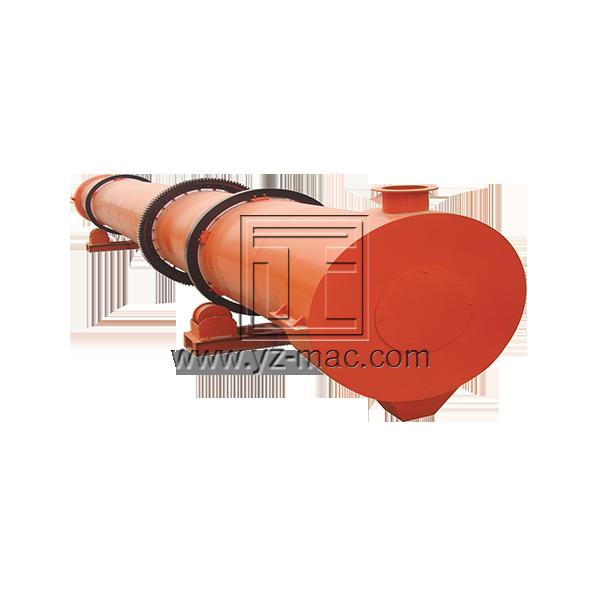
Organic Fertilizer Dryer
Organic fertilizer dryer is a machine that is used to dry organic fertilizer pellets or powder. The dryer uses a hot air stream to remove moisture from the fertilizer materials, reducing the moisture content to a level that is suitable for storage and transportation. Organic fertilizer dryer can be classified into different types based on the heating source, including electric heating, gas heating, and bioenergy heating. The machine is widely used in organic fertilizer production plants, comp...
-
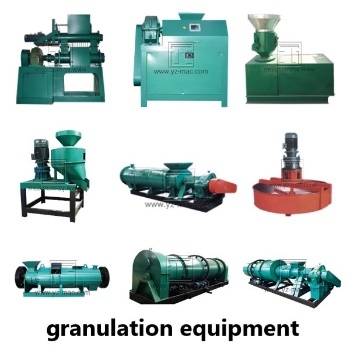
Fertilizer granules
Fertilizer granules play a vital role in modern agriculture by providing a convenient and efficient way to deliver essential nutrients to plants. These small, compact particles contain concentrated nutrients and are designed to release their contents gradually, ensuring optimal nutrient uptake by plants. Benefits of Fertilizer Granules: Controlled Nutrient Release: Fertilizer granules are engineered to release nutrients slowly over time, providing a consistent supply to plants. This controll...
-
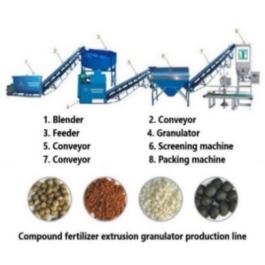
Compound fertilizer equipment price
The price of compound fertilizer equipment can vary widely depending on several factors, such as the type of equipment, the manufacturer, the production capacity, and the complexity of the production process. As a rough estimate, small-scale compound fertilizer equipment, such as a granulator or mixer, can cost around $1,000 to $5,000, while larger equipment, such as a dryer or coating machine, can cost $10,000 to $50,000 or more. However, these prices are only rough estimates, and the actual...