

Windrow composting machine
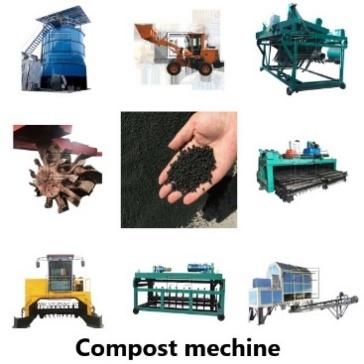
A windrow composting machine is a specialized equipment designed to optimize and accelerate the windrow composting process. Windrow composting involves the formation of long, narrow piles (windrows) of organic waste materials that are periodically turned to promote decomposition.
Benefits of a Windrow Composting Machine:
Enhanced Composting Efficiency: A windrow composting machine streamlines the composting process by mechanizing the turning and mixing of the compost windrows. This results in improved aeration, moisture distribution, and temperature control, promoting faster and more efficient decomposition.
Consistent and Homogeneous Compost: The regular turning and mixing action of the machine ensures that all parts of the windrow are exposed to the same environmental conditions. This leads to a more consistent composting process and the production of a homogeneous compost product with uniform quality and nutrient content.
Reduced Labor and Time Requirements: Manual turning and mixing of windrows can be labor-intensive and time-consuming, especially in large-scale composting operations. A windrow composting machine automates this process, reducing the need for manual labor and significantly decreasing the time required for compost maturation.
Increased Composting Capacity: Windrow composting machines are designed to handle large volumes of organic waste materials. By efficiently managing the turning and mixing of multiple windrows simultaneously, these machines can significantly increase composting capacity and overall productivity.
Working Principle of a Windrow Composting Machine:
A windrow composting machine typically consists of a large mobile unit equipped with a turning mechanism, such as a conveyor or auger system. The machine is driven along the length of the windrow, effectively turning and mixing the composting materials. Some machines may also have features to control moisture levels, monitor temperature, and provide additional aeration.
Applications of Windrow Composting Machines:
Municipal Solid Waste Management: Windrow composting machines are widely used in municipal solid waste management systems. They efficiently process organic waste materials, such as food waste, yard trimmings, and biosolids, converting them into valuable compost. This contributes to waste reduction, landfill diversion, and sustainable waste management practices.
Agricultural and Farming Operations: Windrow composting machines are employed in large-scale agricultural and farming operations. They handle crop residues, livestock manure, and other farm waste, converting them into nutrient-rich compost for soil improvement, crop production, and sustainable farming practices.
Commercial Composting Facilities: Windrow composting machines play a crucial role in commercial composting facilities. These facilities receive organic waste from various sources, including restaurants, grocery stores, and landscaping companies. The windrow composting machines help efficiently process the incoming waste, facilitating rapid decomposition and producing high-quality compost for sale or distribution.
Land Reclamation and Soil Remediation: Windrow composting machines are utilized in land reclamation and soil remediation projects. They process contaminated soil, mine tailings, and other waste materials, transforming them into compost that can restore soil fertility, improve structure, and support the establishment of vegetation.
A windrow composting machine is a valuable asset in large-scale composting operations, offering benefits such as enhanced composting efficiency, consistent compost quality, reduced labor and time requirements, and increased composting capacity. By mechanizing the turning and mixing of compost windrows, these machines optimize the composting process, resulting in faster decomposition and the production of high-quality compost. Windrow composting machines find applications in municipal solid waste management, agriculture, commercial composting facilities, and land reclamation projects.
Related products
-
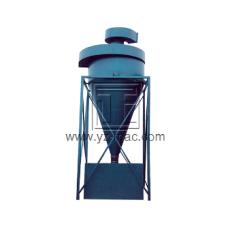
Cyclone
A cyclone is a type of industrial separator that is used to separate particles from a gas or liquid stream based on their size and density. Cyclones work by using centrifugal force to separate the particles from the gas or liquid stream. A typical cyclone consists of a cylindrical or conical shaped chamber with a tangential inlet for the gas or liquid stream. As the gas or liquid stream enters the chamber, it is forced to rotate around the chamber due to the tangential inlet. The rotating mot...
-

Organic fertilizer processing flow
The basic flow of organic fertilizer processing involves the following steps: 1.Raw material selection: This involves selecting organic materials such as animal manure, crop residue, food waste, and other organic materials suitable for use in making organic fertilizer. 2.Composting: The organic materials are then subjected to a composting process that involves mixing them together, adding water and air, and allowing the mixture to decompose over time. This process helps to break down the orga...
-
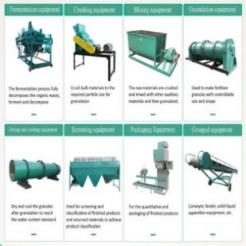
Organic Fertilizer Making Machine
Organic fertilizer making machines are specialized equipment designed for the production of organic fertilizers. They are used in the manufacturing process of organic fertilizers from raw materials such as animal manure, agricultural waste, food waste, and other organic materials. The machines are designed to handle different stages of the fertilizer production process, including composting, grinding, mixing, granulating, drying, and packaging. Some common types of organic fertilizer making m...
-
Industrial compost shredder
In large-scale organic waste processing operations, an industrial compost shredder plays a crucial role in achieving efficient and effective composting. Designed to handle substantial volumes of organic waste, an industrial compost shredder offers powerful shredding capabilities to break down various materials quickly. Benefits of an Industrial Compost Shredder: High Processing Capacity: An industrial compost shredder is designed to handle significant volumes of organic waste efficiently. It ...
-

Fermentation machine price
A fermentation machine, also known as a fermenter or bioreactor, is a specialized equipment designed to facilitate controlled microbial growth and product formation in various industries. Factors Influencing Fermentation Machine Prices: Capacity: The capacity or volume of a fermentation machine is a significant factor affecting its price. Larger-capacity fermenters with higher production capabilities typically command a higher price due to their advanced design, construction, and materials. ...
-
Fast composting machine
A fast composting machine is the specialized equipment is designed to expedite the decomposition of organic materials, transforming them into nutrient-rich compost in a shorter timeframe. Benefits of a Fast Composting Machine: Reduced Composting Time: The primary advantage of a fast composting machine is its ability to significantly reduce the composting time. By creating ideal conditions for decomposition, such as optimal temperature, moisture, and aeration, these machines expedite the break...