

Small organic fertilizer production equipment

Small-scale organic fertilizer production equipment typically includes the following machines and equipment:
1.Shredding equipment: Used to shred the raw materials into small pieces. This includes shredders and crushers.
2.Mixing equipment: Used to mix the shredded material with other additives, such as microorganisms and minerals, to create a balanced fertilizer blend. This includes mixers and blenders.
3.Fermentation equipment: Used to ferment the mixed material, which helps to break down the organic matter and convert it into a more stable, nutrient-rich fertilizer. This includes fermentation tanks and compost turners.
4.Crushing and screening equipment: Used to crush and screen the fermented material to create a uniform size and quality of the final product. This includes crushers and screening machines.
5.Granulating equipment: Used to convert the screened material into granules or pellets. This includes pan granulators, rotary drum granulators, and disc granulators.
6.Drying equipment: Used to reduce the moisture content of the granules, making them easier to handle and store. This includes rotary dryers, fluidized bed dryers, and belt dryers.
7.Cooling equipment: Used to cool the granules after drying to prevent them from sticking together or breaking down. This includes rotary coolers, fluidized bed coolers, and counter-flow coolers.
8.Coating equipment: Used to add a coating to the granules, which can improve their resistance to moisture and improve their ability to release nutrients over time. This includes rotary coating machines and drum coating machines.
9.Screening equipment: Used to remove any oversized or undersized granules from the final product, ensuring that the product is of consistent size and quality. This includes vibrating screens and rotary screens.
10.Packing equipment: Used to package the final product into bags or containers for storage and distribution. This includes automatic bagging machines, filling machines, and palletizers.
Small-scale organic fertilizer production equipment is designed to produce organic fertilizers on a small scale, typically for use in home gardens or small farms. The equipment can be customized to suit different production capacities and requirements, depending on the specific needs of the user. Small-scale equipment may be manually operated or semi-automatic, and may require less power and labor than larger-scale equipment. This makes it an affordable and accessible option for farmers and gardeners who want to produce their own organic fertilizers.
Related products
-
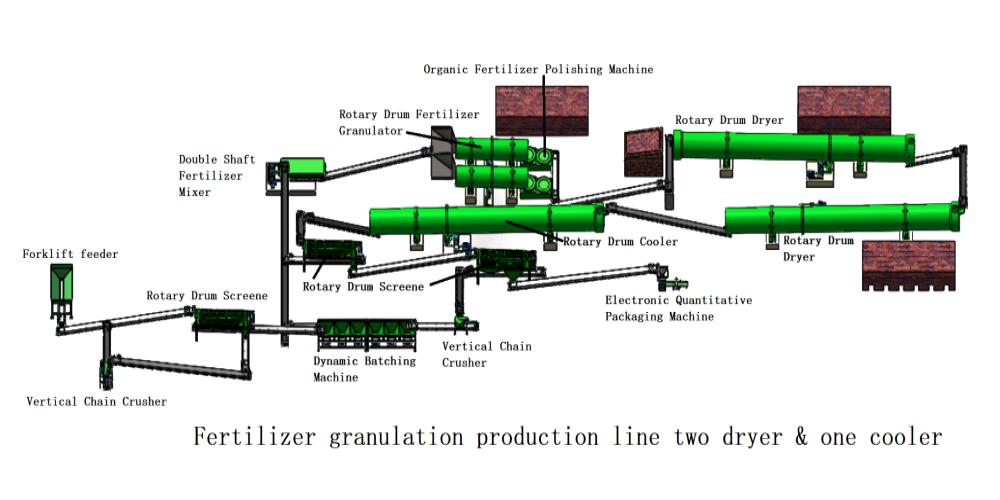
Complete production line of bio-organic fertilizer
A complete production line for bio-organic fertilizer involves several processes that transform organic waste into a high-quality organic fertilizer. The specific processes involved may vary depending on the type of organic waste being used, but some of the common processes include: 1.Raw Material Handling: The first step in bio-organic fertilizer production is to handle the raw materials that will be used to make the fertilizer. This includes collecting and sorting organic waste from various...
-
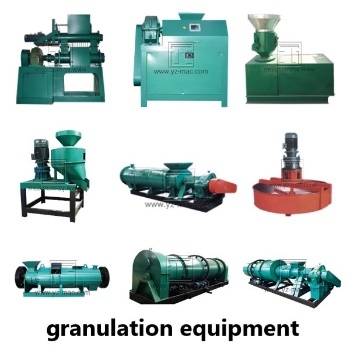
Fertilizer pelletizer machine
A fertilizer pelletizer machine is a specialized equipment designed to convert organic materials into uniform pellets, making them easier to handle, store, and apply. This machine plays a crucial role in the production of organic fertilizers by transforming raw materials into convenient, high-quality pellets. Benefits of a Fertilizer Pelletizer Machine: Enhanced Nutrient Release: The pelletization process of organic materials helps break down complex organic compounds into simpler forms, mak...
-

Organic fertilizer production line
An organic fertilizer production line typically involves several processes that convert organic waste materials into usable fertilizers. The specific processes involved will depend on the type of organic fertilizer being produced, but some of the common processes include: 1.Raw Material Handling: The first step in organic fertilizer production is to handle the raw materials that will be used to make the fertilizer. This includes collecting and sorting organic waste materials such as animal ma...
-

Organic fertilizer processing equipment manufac...
There are many manufacturers of organic fertilizer processing equipment worldwide. > Zhengzhou Yizheng Heavy Machinery Equipment Co., Ltd These manufacturers offer a wide range of organic fertilizer processing equipment, including granulators, dryers, coolers, screening machines, and more. The prices of their equipment can vary depending on factors such as capacity, production process, and customization options. It’s recommended to compare prices and specifications from different manufa...
-
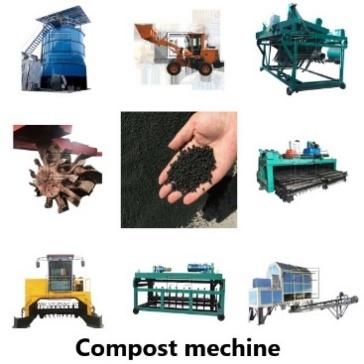
Organic waste composting machine
An organic waste composting machine is a revolutionary tool designed to convert organic waste materials into valuable compost. With increasing concerns about waste management and environmental sustainability, composting machines offer an efficient and eco-friendly solution for managing organic waste. The Importance of Organic Waste Composting: Organic waste, such as food scraps, yard trimmings, agricultural residues, and other biodegradable materials, constitutes a significant portion of our ...
-
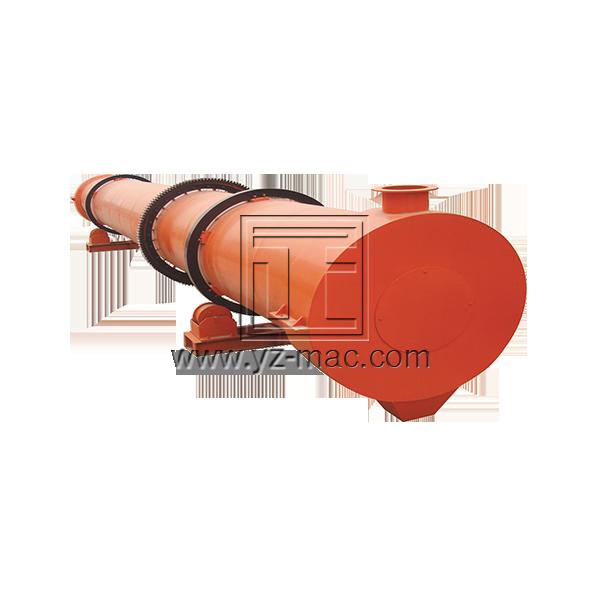
Organic fertilizer air drying equipment
Organic fertilizer air drying equipment typically includes drying sheds, greenhouses or other structures designed to facilitate the drying of organic materials using air flow. These structures often have ventilation systems that allow for the control of temperature and humidity levels to optimize the drying process. Some organic materials, such as compost, can also be air-dried in open fields or in piles, but this method may be less controlled and may be affected by weather conditions. Overal...