

Self propelled compost turner

A self-propelled compost turner is a powerful and efficient machine designed to accelerate the composting process by mechanically turning and mixing organic materials. Unlike traditional manual methods, a self-propelled compost turner automates the turning process, ensuring consistent aeration and mixing for optimal compost development.
Benefits of a Self-Propelled Compost Turner:
Increased Efficiency: The self-propelled feature eliminates the need for manual labor, significantly improving the efficiency of the composting process. The machine can cover large composting areas quickly and consistently, ensuring uniform aeration and mixing, which accelerates the decomposition process.
Consistent Aeration and Mixing: A self-propelled compost turner uniformly mixes and aerates the organic materials throughout the compost pile. This promotes the circulation of oxygen, essential for the growth of aerobic microorganisms that facilitate decomposition. Consistent aeration and mixing result in faster breakdown of organic matter, leading to high-quality compost.
Time and Labor Savings: By automating the turning process, a self-propelled compost turner saves significant time and reduces the labor required for manual turning. This allows compost operators to focus on other tasks and increases overall productivity in composting operations.
Improved Compost Quality: The regular turning and mixing performed by a self-propelled compost turner create an ideal environment for microorganisms to break down organic materials efficiently. This results in compost with improved nutrient content, better moisture retention, and reduced odors.
Working Principle of a Self-Propelled Compost Turner:
A self-propelled compost turner typically consists of a sturdy frame with a turning mechanism, often equipped with blades or paddles. The machine moves along the compost pile, while the turning mechanism lifts and tumbles the materials, ensuring proper aeration and mixing. Some self-propelled compost turners may have adjustable features to control the depth of turning and the speed of operation.
Applications of Self-Propelled Compost Turners:
Large-Scale Composting Facilities: Self-propelled compost turners are widely used in large-scale composting facilities, such as municipal composting centers or commercial composting operations. These machines efficiently handle significant volumes of organic waste materials, ensuring thorough aeration and mixing for optimal decomposition.
Agricultural and Farming Operations: Self-propelled compost turners find applications in agricultural and farming operations. They help manage farm waste, crop residues, and livestock manure, transforming them into nutrient-rich compost for soil improvement and organic fertilizer production.
Landscaping and Green Waste Recycling: Self-propelled compost turners play a crucial role in landscaping and green waste recycling. They efficiently process green waste, such as leaves, grass clippings, and prunings, transforming them into high-quality compost suitable for landscaping projects, gardens, and nurseries.
Organic Waste Management: Self-propelled compost turners are valuable tools in organic waste management programs. They can handle a wide variety of organic waste materials, including food waste from restaurants, institutions, and residential areas, diverting them from landfills and producing valuable compost for soil enrichment.
A self-propelled compost turner offers numerous benefits in terms of efficiency, consistent aeration and mixing, time and labor savings, and improved compost quality. With its ability to automate the turning process, this machine enhances composting operations in large-scale facilities, agricultural operations, landscaping, and organic waste management programs.
Related products
-
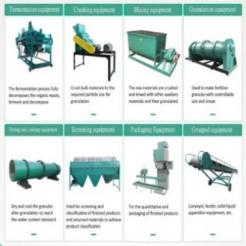
Bio fertilizer machine
The selection of bio-organic fertilizer raw materials can be various livestock and poultry manures and organic wastes, and the basic formula for production varies with different types and raw materials. Production equipment generally includes: fermentation equipment, mixing equipment, crushing equipment, granulation equipment, drying equipment, cooling equipment, fertilizer screening equipment, packaging equipment, etc.
-
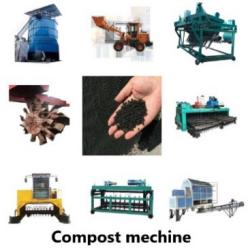
Manure processing
In simple terms, compost is the breaking down of fecal organic matter that can be used to help plants grow and keep soil healthy. Manure compost is a valuable soil amendment that increases the nutrients needed for plant growth and development.
-
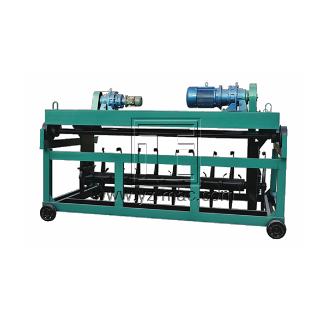
Groove type compost turner
A groove type compost turner is a highly efficient machine designed to optimize the decomposition process of organic waste. With its unique design and functionality, this equipment offers advantages in terms of better aeration, enhanced microbial activity, and accelerated composting. Features of a Groove Type Compost Turner: Sturdy Construction: Groove type compost turners are built with robust materials, ensuring durability and longevity in various composting environments. They can withstan...
-
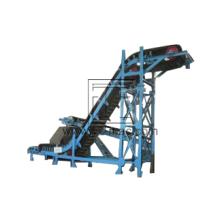
Large angle fertilizer conveyor
A large angle fertilizer conveyor is a type of belt conveyor used to transport fertilizer and other materials in a vertical or steeply inclined direction. The conveyor is designed with a special belt that has cleats or corrugations on its surface, which allows it to grip and carry materials up steep inclines at angles of up to 90 degrees. Large angle fertilizer conveyors are commonly used in fertilizer production and processing facilities, as well as in other industries that require the trans...
-
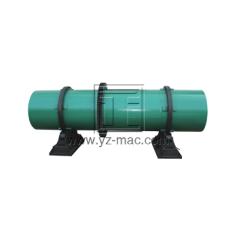
Pig manure fertilizer coating equipment
Pig manure fertilizer coating equipment is used to apply a coating or finish to the surface of pig manure fertilizer pellets. The coating can serve several purposes, including improving the appearance of the pellets, protecting them from moisture and damage during storage and transportation, and enhancing their nutrient content. The main types of pig manure fertilizer coating equipment include: 1.Rotary drum coater: In this type of equipment, the pig manure fertilizer pellets are fed into a r...
-
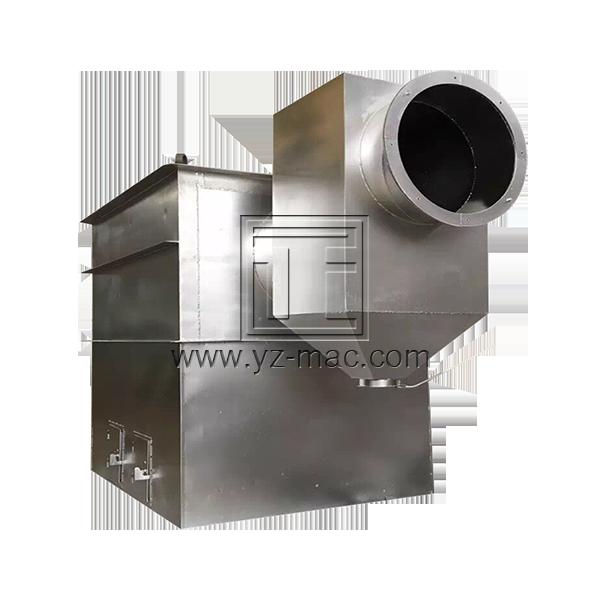
Organic Fertilizer Hot Air Stove
An organic fertilizer hot air stove, also known as an organic fertilizer heating stove or an organic fertilizer heating furnace, is a type of equipment used in the production of organic fertilizers. It is used to generate hot air, which is then used to dry organic materials, such as animal manure, vegetable waste, and other organic residues, to produce organic fertilizer. The hot air stove consists of a combustion chamber where organic materials are burned to generate heat, and a heat exchang...