

Rotary drum composting
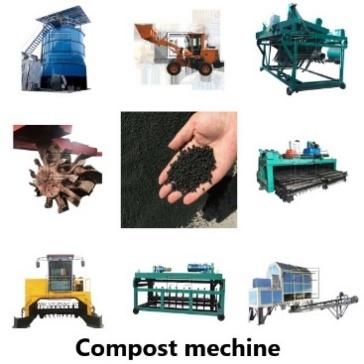
Rotary drum composting is a highly efficient method of processing organic waste materials into nutrient-rich compost. This technique utilizes a rotating drum to create an optimal environment for composting, ensuring effective decomposition and transformation of organic waste.
Benefits of Rotary Drum Composting:
Rapid Decomposition: The rotating drum facilitates efficient mixing and aeration of organic waste, promoting rapid decomposition. The increased airflow within the drum enhances the activity of aerobic microorganisms, leading to faster breakdown of organic materials into compost.
High Composting Efficiency: Rotary drum composting offers high composting efficiency due to its controlled environment. The drum maintains the ideal temperature, moisture, and oxygen levels required for optimal microbial activity, ensuring effective decomposition and minimizing the risk of odor generation.
Reduced Odor and Pathogens: The enclosed design of the rotary drum minimizes odor emissions and helps contain potential pathogens within the composting system. This ensures a cleaner and more hygienic composting process, making it suitable for urban environments or areas sensitive to odor concerns.
Versatile Applications: Rotary drum composting can be applied to a wide range of organic waste materials, including food scraps, yard trimmings, agricultural residues, and more. It is suitable for various settings, including residential, commercial, and municipal composting facilities.
Working Principle of Rotary Drum Composting:
Loading and Mixing: Organic waste materials are loaded into the rotary drum composting system. The drum rotates at a controlled speed, ensuring proper mixing and homogenization of the waste.
Decomposition and Heat Generation: As the organic waste decomposes, microbial activity generates heat within the drum. The rotating action facilitates the distribution of heat, accelerating the decomposition process.
Aeration and Moisture Control: The rotating drum allows for the continuous exchange of oxygen and moisture. This promotes aerobic conditions, supporting the growth of beneficial microorganisms and ensuring optimal composting conditions.
Maturation and Curing: Once the organic waste has undergone sufficient decomposition, the compost is discharged from the drum. It then undergoes maturation and curing processes to further stabilize and refine the compost before it is ready for use.
Applications of Rotary Drum Composting:
Municipal Composting Facilities: Rotary drum composting systems are widely employed in municipal composting facilities to process large volumes of organic waste generated by communities. This includes food waste from households, restaurants, and institutions, as well as yard trimmings and green waste.
Commercial and Industrial Composting: Various industries, such as food processing, agriculture, and horticulture, utilize rotary drum composting for their organic waste management needs. This helps divert waste from landfills and creates valuable compost for soil enrichment and other applications.
Agricultural and Farming Operations: Rotary drum composting is used on farms and agricultural operations to manage crop residues, animal manure, and other agricultural waste. The resulting compost can be used as a nutrient-rich soil amendment, promoting sustainable farming practices and reducing the reliance on synthetic fertilizers.
Community and Residential Composting: In community composting initiatives and residential settings, rotary drum composting provides a scalable and efficient solution for processing organic waste. It allows communities and individuals to recycle their kitchen scraps and yard waste, producing compost for local use or distribution.
Rotary drum composting is a highly efficient and effective method of managing organic waste. Its benefits include rapid decomposition, high composting efficiency, reduced odor and pathogens, and versatile applications. The controlled environment within the rotating drum ensures optimal composting conditions, resulting in high-quality compost that can be used in various agricultural, horticultural, and landscaping applications.
Related products
-

Small chicken manure organic fertilizer product...
A small chicken manure organic fertilizer production line is a great way for small-scale farmers or hobbyists to turn chicken manure into a valuable fertilizer for their crops. Here is a general outline of a small chicken manure organic fertilizer production line: 1.Raw Material Handling: The first step is to collect and handle the raw materials, which in this case is chicken manure. The manure is collected and stored in a container or pit before being processed. 2.Fermentation: The chicken m...
-
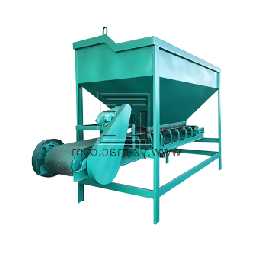
Cow manure fertilizer supporting equipment
Cow manure fertilizer supporting equipment refers to the equipment used to support the various stages of cow manure fertilizer production, such as handling, storage, and transportation. Some common types of supporting equipment for cow manure fertilizer production include: 1.Compost turners: These are used to mix and aerate the composting material, helping to speed up the decomposition process and improve the quality of the final product. 2.Storage tanks or silos: These are used to store the ...
-
Fertilizer machines
Traditional livestock and poultry manure composting needs to be turned over and stacked for 1 to 3 months according to different waste organic materials. In addition to time-consuming, there are environmental problems such as odor, sewage, and space occupation. Therefore, in order to improve the shortcomings of the traditional composting method, it is necessary to use a fertilizer applicator for composting fermentation.
-
Fertilizer mixing equipment
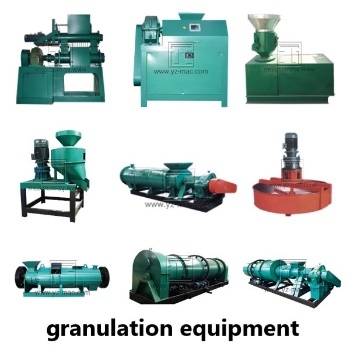
Fertilizer mixing equipment plays a crucial role in the fertilizer manufacturing process by facilitating the efficient blending of different fertilizer components. This equipment ensures a homogenous mixture, enabling precise nutrient distribution and optimizing fertilizer quality. Importance of Fertilizer Mixing: Effective mixing of fertilizer components is essential for achieving a balanced nutrient composition and ensuring uniformity in the final fertilizer product. Proper mixing allows fo...
-
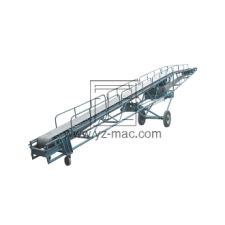
Mobile fertilizer conveying equipment
Mobile fertilizer conveying equipment, also known as a mobile belt conveyor, is a type of equipment used to move fertilizer materials from one location to another. It consists of a mobile frame, a conveyor belt, a pulley, a motor, and other components. Mobile fertilizer conveying equipment is commonly used in fertilizer production plants, storage facilities, and other agricultural settings where materials need to be transported over short distances. Its mobility allows for easy movement from ...
-
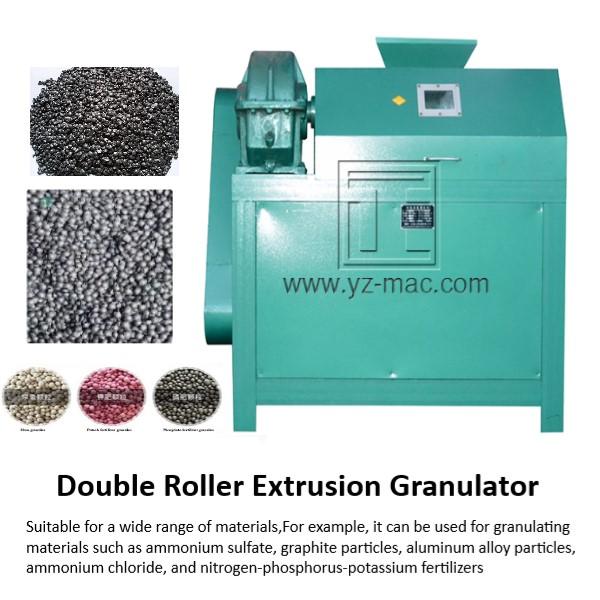
Graphite pelletizing equipment
Graphite pelletizing equipment refers to machinery or equipment specifically designed for the production of graphite pellets. These pellets are typically formed by compressing graphite powder or a mixture of graphite and other additives into a pellet shape. Consider factors such as production capacity, pellet size and shape requirements, automation level, and budget when selecting the appropriate equipment for your specific application. https://www.yz-mac.com/roll-extrusion-compound-fertil...