

High Quality Fertilizer Granulator
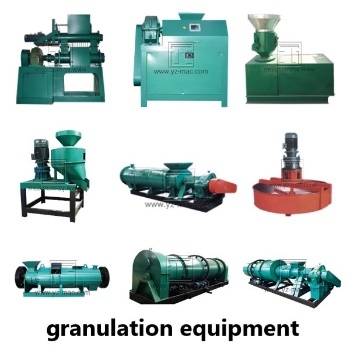
A high-quality fertilizer granulator is a vital machine in the production of granular fertilizers. It plays a significant role in improving nutrient efficiency, enhancing crop yields, and promoting sustainable agriculture.
Benefits of a High-Quality Fertilizer Granulator:
Efficient Nutrient Delivery: A high-quality fertilizer granulator converts raw materials into granules, ensuring controlled nutrient release. Granular fertilizers provide a consistent and reliable nutrient supply to plants, optimizing nutrient uptake and reducing the risk of nutrient loss through leaching or volatilization.
Enhanced Crop Yields: Granular fertilizers produced by a high-quality granulator provide balanced and targeted nutrient application, leading to improved crop yields. The controlled-release of nutrients supports the plant’s growth stages, ensuring proper nutrition throughout the growing season.
Reduced Nutrient Loss: Granular fertilizers minimize nutrient loss compared to traditional powdered or liquid fertilizers. The granules are less prone to runoff, minimizing environmental pollution and maximizing nutrient utilization by crops.
Ease of Handling and Application: Granular fertilizers are easy to handle and apply, allowing for uniform distribution and precise dosage. The granules can be accurately spread using mechanical applicators, ensuring even coverage and minimizing fertilizer wastage.
Working Principle of a High-Quality Fertilizer Granulator:
A high-quality fertilizer granulator operates based on different principles, including extrusion, rolling, or tumbling. These machines typically consist of a granulating chamber, a rotating drum or plate, and an agglomeration system. The raw materials, such as nitrogen, phosphorus, potassium, and other additives, are mixed and fed into the granulating chamber. The rotating drum or plate facilitates the formation of granules by agglomerating the materials through pressure, heat, or binding agents. The resulting granules are then dried and cooled for storage or further processing.
Applications of High-Quality Fertilizer Granulators:
Agricultural Crop Production: High-quality fertilizer granulators are widely used in agricultural crop production to manufacture granular fertilizers. These granules provide precise nutrient delivery, ensuring optimal crop growth and maximizing yield potential.
Horticulture and Greenhouse Cultivation: Fertilizer granulators are valuable tools in horticulture and greenhouse cultivation. Granular fertilizers offer controlled nutrient release, supporting the growth of flowers, fruits, and vegetables, and maintaining optimal nutrient levels in controlled environments.
Organic Fertilizer Production: High-quality granulators are essential in the production of organic fertilizers. They help convert organic materials, such as compost, animal manure, and crop residues, into granules, enhancing nutrient availability and improving soil health in organic farming systems.
Soil Remediation and Land Reclamation: Fertilizer granulators have applications in soil remediation and land reclamation projects. They facilitate the production of granular amendments for improving soil structure, nutrient content, and fertility in degraded or contaminated soils.
A high-quality fertilizer granulator is a valuable machine for the production of granular fertilizers, offering numerous benefits in nutrient efficiency, crop yield improvement, and sustainable agriculture. By utilizing granular fertilizers produced by these granulators, farmers and growers can optimize nutrient delivery, minimize nutrient loss, and enhance crop productivity. Whether in agricultural crop production, horticulture, organic farming, or soil remediation, high-quality fertilizer granulators contribute to efficient nutrient management and promote environmentally responsible fertilizer use.
Related products
-
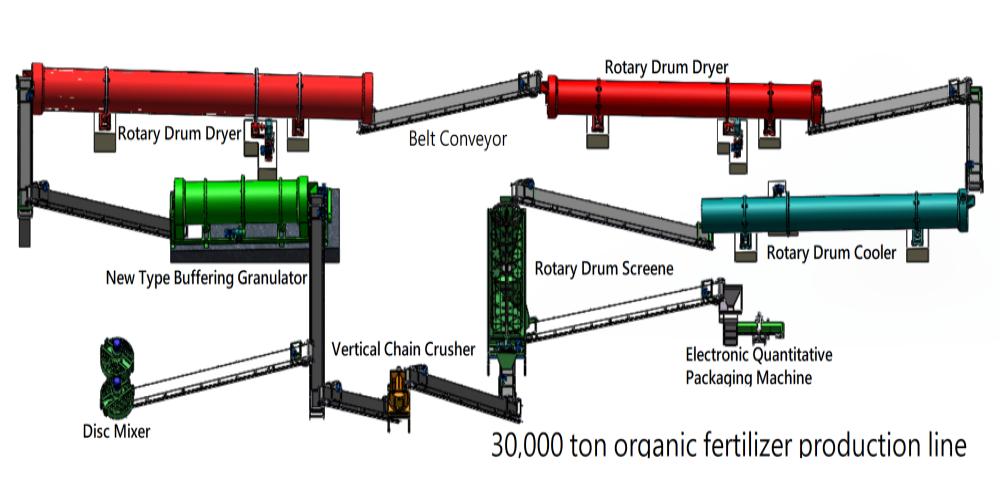
Organic fertilizer production line with an annu...
An organic fertilizer production line with an annual output of 30,000 tons typically includes the following steps: 1.Raw Material Preprocessing: Raw materials such as animal manure, crop residues, food waste, and other organic waste materials are collected and preprocessed to ensure their suitability for use in organic fertilizer production. 2.Composting: The preprocessed raw materials are mixed and placed in a composting area where they undergo natural decomposition. This process can take se...
-
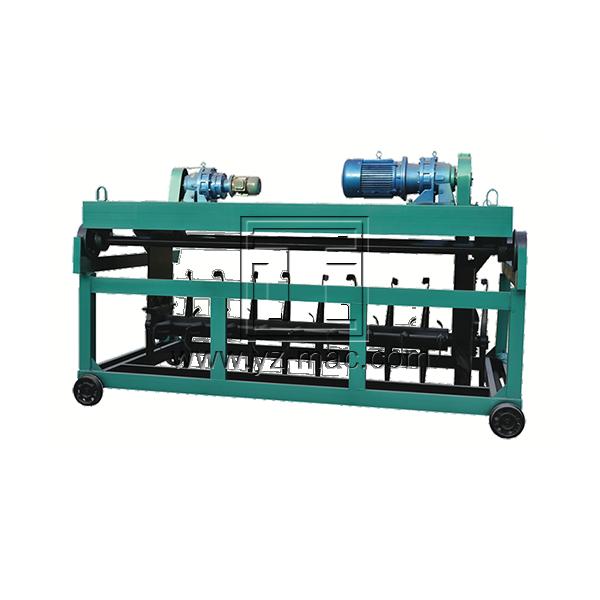
organic composter
An organic composter is a type of equipment used to transform organic waste, such as food scraps and yard waste, into nutrient-rich compost. Composting is a natural process in which microorganisms break down organic materials and transform them into a soil-like substance that is rich in nutrients and beneficial for plant growth. Organic composters can come in a variety of sizes and designs, from small backyard composters to large industrial-scale systems. Some common types of organic composte...
-
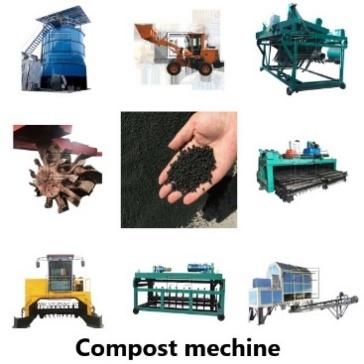
Organic manure making machine
An organic manure making machine is a revolutionary equipment designed to convert organic waste into high-quality, nutrient-rich fertilizer. Benefits of an Organic Manure Making Machine: Waste Recycling: An organic manure making machine allows for the effective recycling of organic waste, including animal manure, crop residues, kitchen scraps, and agricultural by-products. By converting this waste into organic fertilizer, it mitigates environmental pollution and reduces reliance on chemical-...
-

Buffer granulation equipment
Buffer granulation equipment is used to create buffer or slow-release fertilizers. These types of fertilizers are designed to release nutrients slowly over an extended period of time, reducing the risk of over-fertilization and nutrient leaching. Buffer granulation equipment uses a variety of techniques to create these types of fertilizers, including: 1.Coating: This involves coating the fertilizer granules with a material that slows down the release of nutrients. The coating material can be ...
-

Organic fertilizer storage equipment
Organic fertilizer storage equipment is essential in the organic fertilizer production process to store the finished organic fertilizer product before it is transported and applied to crops. Organic fertilizers are typically stored in large containers or structures that are designed to protect the fertilizer from moisture, sunlight, and other environmental factors that can degrade its quality. Some common types of organic fertilizer storage equipment include: 1.Storage bags: These are large, ...
-
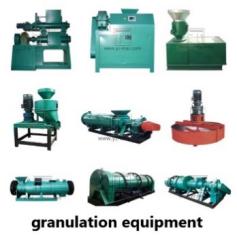
Fertilizer granulator machine
The fertilizer granulator is the core part of the organic fertilizer production line, and the granulator is used to manufacture dust-free granules with controllable size and shape. The granulator achieves high-quality and uniform granulation through the continuous process of stirring, collision, inlay, spheroidization, granulation, and densification.