

Fermentation machine price

A fermentation machine, also known as a fermenter or bioreactor, is a specialized equipment designed to facilitate controlled microbial growth and product formation in various industries.
Factors Influencing Fermentation Machine Prices:
Capacity: The capacity or volume of a fermentation machine is a significant factor affecting its price. Larger-capacity fermenters with higher production capabilities typically command a higher price due to their advanced design, construction, and materials.
Automation and Control Systems: Fermentation machines equipped with advanced automation and control systems tend to have higher prices. These systems allow for precise monitoring and control of process parameters, ensuring optimal fermentation conditions and product quality.
Material and Construction: The choice of materials and construction quality of a fermentation machine influence its price. Fermenters made of high-quality stainless steel or other durable materials are generally more expensive but offer longevity, resistance to corrosion, and ease of maintenance.
Features and Customization: Additional features and customization options, such as sampling ports, sterilization capabilities, data logging, and connectivity to external systems, can impact the price of a fermentation machine. The inclusion of these features increases the functionality and versatility of the machine, but may also add to the overall cost.
For small-scale or laboratory-scale fermentation needs, benchtop fermenters offer cost-effective solutions. These compact machines are designed for lower volumes but still provide precise control over process parameters. They are often more affordable compared to larger industrial-scale fermenters.
Modular fermentation systems offer the advantage of scalability and cost-efficiency. These systems allow for the expansion of fermentation capacity by adding modules as production demands increase. Starting with a basic module and gradually adding more as needed can be a cost-effective approach for businesses.
Conclusion:
When considering a fermentation machine purchase, it is essential to evaluate various factors that influence pricing. By carefully assessing your fermentation needs and exploring cost-effective alternatives, you can invest in a fermentation machine that meets your requirements while maintaining budgetary considerations.
Related products
-
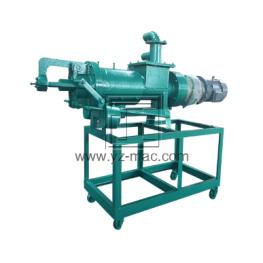
Manure processing machine
The turning machine is used for the fermentation and turning of organic wastes such as livestock and poultry manure, and is widely used in organic fertilizer plants and compound fertilizer plants for aerobic fermentation.
-
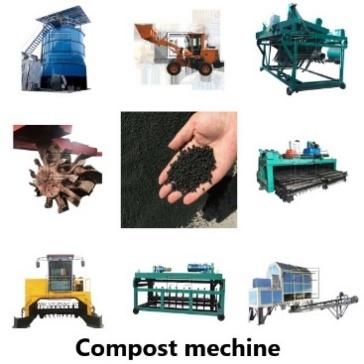
Best compost machine
Determining the best compost machine depends on several factors, including the specific composting needs, scale of operations, available space, budget, and desired features. Here are a few types of compost machines that are commonly considered among the best in their respective categories: Compost Turners: Compost turners, also known as windrow turners or agitators, are ideal for medium to large-scale composting operations. These machines are designed to turn and mix larger volumes of organic...
-
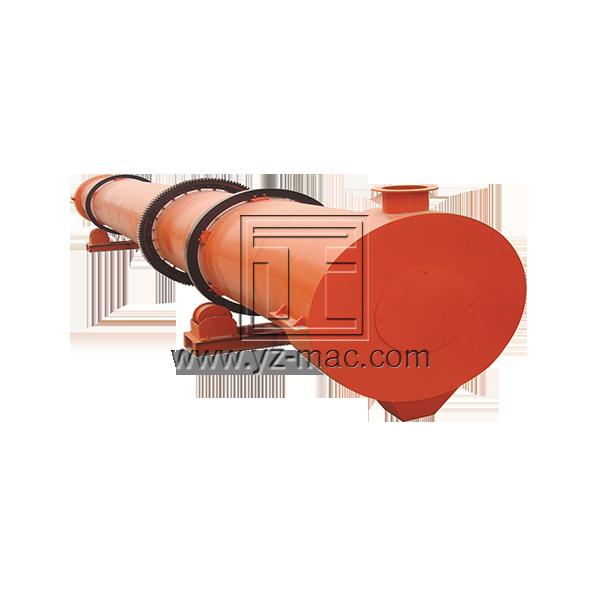
Organic fertilizer drying equipment
Organic fertilizer drying equipment refers to machines used for drying organic fertilizers after the fermentation process. This is an important step in the production of organic fertilizers because moisture content affects the quality and shelf life of the finished product. Some examples of organic fertilizer drying equipment include: Rotary drum dryer: This machine uses hot air to dry organic fertilizers. The drum rotates, which helps to evenly distribute the fertilizer as it dries. Belt dry...
-

Graphite grain pelletizing process
The graphite grain pelletizing process involves transforming graphite grains into compacted and uniform pellets. This process typically includes the following steps: 1. Material Preparation: Graphite grains are obtained either from natural graphite or synthetic graphite sources. The graphite grains may undergo pre-processing steps such as crushing, grinding, and sieving to achieve the desired particle size distribution. 2. Mixing: The graphite grains are mixed with binders or additives, which...
-
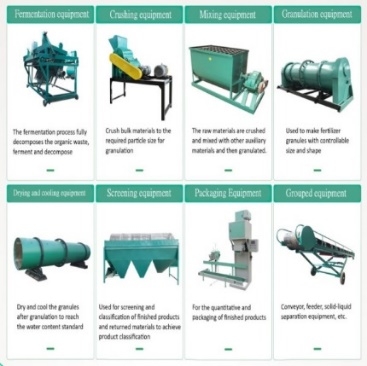
Organic fertilizer production equipment
An organic fertilizer pellet making machine is a revolutionary equipment designed to convert organic waste materials into high-quality fertilizer pellets. This innovative machine offers an efficient and sustainable solution for recycling organic waste and transforming it into a valuable resource for agriculture and gardening. Benefits of Organic Fertilizer Pellet Making Machine: Nutrient-Rich Fertilizer Production: The organic fertilizer pellet making machine enables the conversion of organi...
-

commercial composter
A commercial composter is a type of equipment used to compost organic waste on a larger scale than home composting. These machines are designed to handle large volumes of organic waste, such as food waste, yard waste, and agricultural byproducts, and are typically used in commercial composting facilities, municipal composting operations, and large-scale farms and gardens. Commercial composters come in a variety of sizes and designs, ranging from small, portable units to large, industrial-scal...