

Fast composting machine
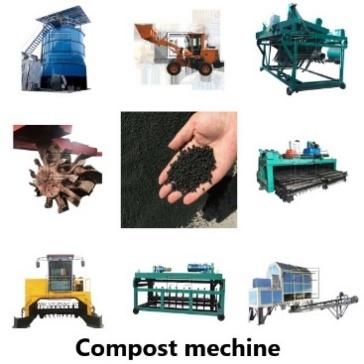
A fast composting machine is the specialized equipment is designed to expedite the decomposition of organic materials, transforming them into nutrient-rich compost in a shorter timeframe.
Benefits of a Fast Composting Machine:
Reduced Composting Time: The primary advantage of a fast composting machine is its ability to significantly reduce the composting time. By creating ideal conditions for decomposition, such as optimal temperature, moisture, and aeration, these machines expedite the breakdown of organic materials into compost within a shorter timeframe.
Enhanced Nutrient Availability: Fast composting machines facilitate the breakdown of organic matter into finer particles, improving nutrient availability. The resulting compost is rich in essential nutrients, including nitrogen, phosphorus, and potassium, which are vital for healthy plant growth and soil fertility.
Weed and Pathogen Control: Fast composting machines generate higher temperatures during the composting process, which helps eliminate weed seeds and harmful pathogens. This reduces the risk of weed growth and minimizes the spread of plant diseases, resulting in a more desirable and reliable compost product.
Increased Composting Capacity: These machines are designed to handle larger volumes of organic waste, making them ideal for commercial composting operations, municipalities, and large-scale agricultural facilities. Their high-capacity capabilities allow for efficient processing of significant amounts of organic materials, maximizing productivity.
Working Principle of a Fast Composting Machine:
Fast composting machines utilize various techniques to expedite the decomposition process. Some common methods include:
Aerated Static Pile Composting: This technique involves creating a large compost pile that is aerated through the use of blowers or fans. Proper aeration promotes the growth of aerobic microorganisms, which break down the organic materials more rapidly.
In-Vessel Composting: In this method, organic waste is contained within an enclosed vessel, such as a rotating drum or a sealed container. The controlled environment within the vessel allows for better regulation of temperature, moisture, and aeration, resulting in faster composting.
Forced Aeration Composting: This technique involves actively introducing air into the composting materials using blowers or mechanical systems. The forced aeration enhances oxygen availability, facilitating the growth of aerobic microorganisms and accelerating the decomposition process.
Applications of Fast Composting Machines:
Agricultural Operations: Fast composting machines are commonly used in agricultural operations to process crop residues, animal manure, and other agricultural waste. The resulting compost can be utilized as a nutrient-rich soil amendment, enhancing soil fertility and promoting sustainable farming practices.
Commercial Composting Facilities: These machines are essential in commercial composting facilities, where large volumes of organic waste, including food waste, yard trimmings, and green waste, are processed. Fast composting machines enable efficient management of these waste streams and production of high-quality compost for commercial use.
Municipal Solid Waste Management: Fast composting machines are utilized by municipalities to manage organic waste from residential and commercial sources. By composting organic waste instead of sending it to landfills, municipalities can reduce waste volumes, minimize greenhouse gas emissions, and divert valuable resources back into the community.
Investing in a fast composting machine is a game-changer for anyone seeking to accelerate the composting process. These machines offer numerous benefits, including reduced composting time, enhanced nutrient availability, weed and pathogen control, and increased composting capacity. Whether in agricultural operations, commercial composting facilities, or municipal waste management, fast composting machines contribute to sustainable practices by efficiently converting organic waste into nutrient-rich compost. With their advanced techniques and optimized conditions, these machines pave the way for rapid and efficient composting, enabling you to produce high-quality compost in a shorter timeframe.
Related products
-
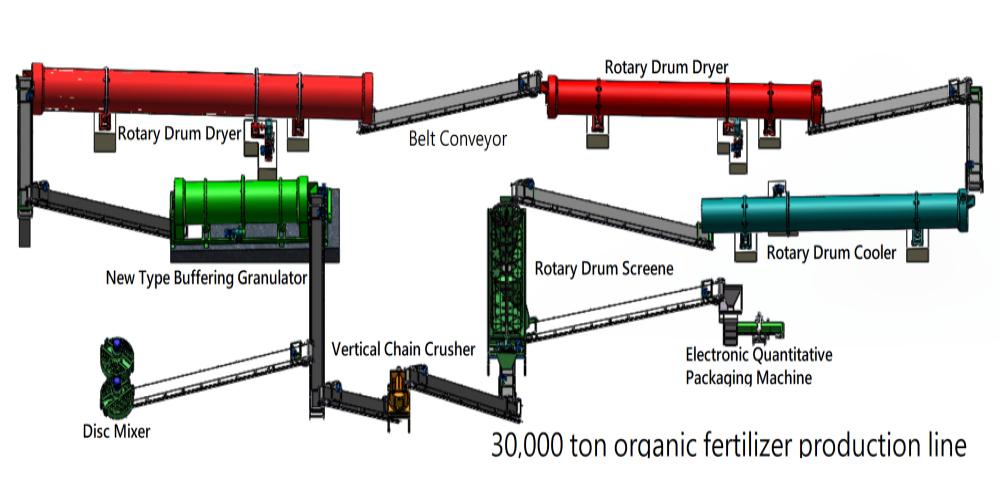
Chicken manure fertilizer complete production line
A complete production line for chicken manure fertilizer involves several processes that transform chicken manure into a high-quality organic fertilizer. The specific processes involved may vary depending on the type of chicken manure being used, but some of the common processes include: 1.Raw Material Handling: The first step in chicken manure fertilizer production is to handle the raw materials that will be used to make the fertilizer. This includes collecting and sorting chicken manure fro...
-
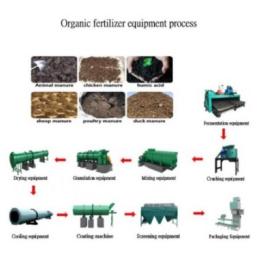
Organic fertilizer production line
The organic fertilizer production line is to convert various organic wastes into organic fertilizers through different processes. The organic fertilizer factory can not only turn various livestock and poultry manure, kitchen waste, etc. generate environmental benefits. Organic fertilizer production line equipment mainly includes: 1. Fermentation equipment: trough type turner, crawler type turner, chain plate type turner. 2. Pulverizer equipment: semi-wet material pulverizer, vertical pulveriz...
-
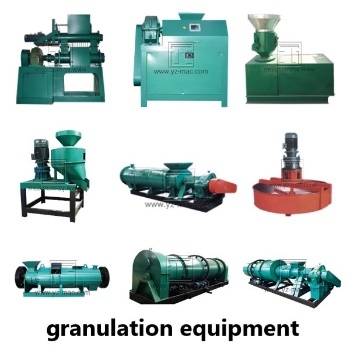
High Quality Fertilizer Granulator
A high-quality fertilizer granulator is a vital machine in the production of granular fertilizers. It plays a significant role in improving nutrient efficiency, enhancing crop yields, and promoting sustainable agriculture. Benefits of a High-Quality Fertilizer Granulator: Efficient Nutrient Delivery: A high-quality fertilizer granulator converts raw materials into granules, ensuring controlled nutrient release. Granular fertilizers provide a consistent and reliable nutrient supply to plants, ...
-

Compound fertilizer production line
Compound fertilizer is a compound fertilizer that is mixed and batched according to different proportions of a single fertilizer, and a compound fertilizer containing two or more elements of nitrogen, phosphorus and potassium is synthesized through chemical reaction, and its nutrient content is uniform and the particle size is consistent. The raw materials for compound fertilizer production include urea, ammonium chloride, ammonium sulfate, liquid ammonia, monoammonium phosphate, diammonium p...
-
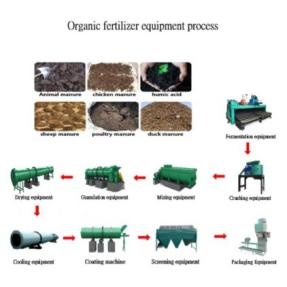
Sheep manure organic fertilizer production equi...
Sheep manure organic fertilizer production equipment typically includes the following machines and equipment: 1.Sheep manure pre-processing equipment: Used to prepare the raw sheep manure for further processing. This includes shredders and crushers. 2.Mixing equipment: Used to mix the pre-processed sheep manure with other additives, such as microorganisms and minerals, to create a balanced fertilizer blend. This includes mixers and blenders. 3.Fermentation equipment: Used to ferment the mixed...
-
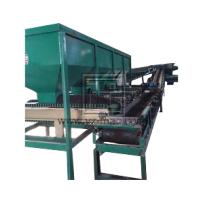
Dynamic automatic batching equipment
Dynamic automatic batching equipment is a type of fertilizer production equipment used for accurately measuring and mixing various raw materials according to a specific formula. The equipment includes a computer-controlled system that automatically adjusts the proportion of different materials to ensure the final product meets the desired specifications. The batching equipment can be used for the production of organic fertilizers, compound fertilizers, and other types of fertilizers. It is co...