

Composting devices
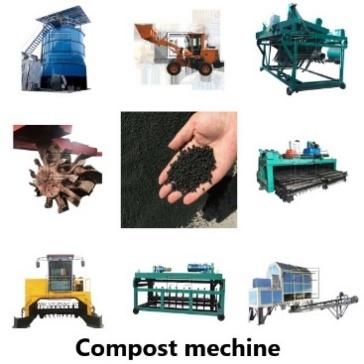
Composting devices are essential tools for converting organic waste into nutrient-rich compost, promoting sustainable waste management practices. These devices come in various types, each designed to suit different needs and scale of composting operations.
Tumblers and Rotary Composters:
Tumblers and rotary composters are designed to facilitate the mixing and aeration of compost materials. These devices have a rotating drum or chamber that allows for easy turning of the compost. The tumbling action promotes oxygen circulation, accelerates decomposition, and helps maintain optimal moisture levels. Tumblers and rotary composters are suitable for homeowners, urban dwellers, and individuals seeking faster composting results.
In-Vessel Composting Systems:
In-vessel composting systems are larger-scale devices used in commercial composting operations. These systems consist of enclosed containers or vessels that provide a controlled environment for composting. They offer advanced features like temperature control, aeration systems, and automated mixing mechanisms. In-vessel composting systems are efficient in handling substantial amounts of organic waste, making them ideal for municipal composting facilities, large institutions, and industrial settings.
Aerated Static Pile Systems:
Aerated static pile systems combine the benefits of passive composting with active aeration. These systems involve creating compost piles on a prepared base, with perforated pipes or blowers installed to supply controlled amounts of air. The continuous airflow helps maintain optimal oxygen levels and speeds up decomposition. Aerated static pile systems are commonly used in commercial composting facilities, agricultural operations, and large-scale organic waste processing.
Applications of Composting Devices:
Commercial Composting:
Large-scale composting devices, such as in-vessel composting systems and aerated static pile systems, are essential for municipal composting facilities and commercial composting operations. These devices efficiently handle significant volumes of organic waste, including food waste, yard trimmings, and agricultural residues. They contribute to diverting waste from landfills and producing high-quality compost for landscaping, agriculture, and soil improvement applications.
Composting devices play a crucial role in organic waste management, enabling the conversion of organic waste into nutrient-rich compost. From home composting bins to large-scale in-vessel systems, these devices cater to various needs and composting scales. Whether for residential, community, municipal, or commercial applications, composting devices offer sustainable solutions for reducing waste, improving soil health, and promoting environmentally friendly practices.
Related products
-
Organic waste composter machine
An organic waste composter machine is a solution for converting organic waste into nutrient-rich compost. Designed to accelerate the decomposition process, these machines offer efficient waste management and environmental sustainability. Benefits of an Organic Waste Composter Machine: Waste Reduction and Diversion: Organic waste, such as food scraps, garden waste, and agricultural residues, can account for a significant portion of municipal solid waste. By using an organic waste composter m...
-
Powdery Organic Fertilizer Production Line
A powdery organic fertilizer production line is a comprehensive system designed to manufacture high-quality organic fertilizers in powdered form. This production line combines various processes to convert organic materials into a fine powder that is rich in nutrients and beneficial for plant growth. Importance of Powdery Organic Fertilizers: Powdery organic fertilizers offer several advantages for plant nutrition and soil health: Nutrient Availability: The fine powder form of organic fertili...
-

Fertilizer blender
A fertilizer blender, also known as a fertilizer mixing machine, is a specialized equipment designed to blend different fertilizer components into a homogeneous mixture. By ensuring even distribution of nutrients and additives, the fertilizer blender plays a crucial role in achieving consistent fertilizer quality. Fertilizer blending is essential for several reasons: Nutrient Uniformity: Different fertilizer components, such as nitrogen, phosphorus, and potassium, have varying nutrient conce...
-
Agricultural compost shredders
Agricultural compost shredders are specialized machines used in agriculture to break down organic materials into smaller pieces for composting. These shredders play a crucial role in the composting process by reducing the size of agricultural waste, such as crop residues, stalks, branches, leaves, and other organic materials. Size Reduction: Agricultural compost shredders are designed to reduce the size of bulky agricultural waste materials. These machines efficiently shred and chop organic ...
-

Double Roller Press Granulator
The double roller press granulator is an advanced fertilizer production machine that utilizes the extrusion principle to convert various materials into high-quality granules. With its unique design and reliable performance, this granulator offers numerous benefits in the field of fertilizer manufacturing. Working Principle: The double roller press granulator operates on the principle of extrusion. The raw materials are fed into the granulator through a feeding hopper. Inside the granulator, ...
-
Compost to fertilizer machine
The types of waste that can be processed by the composter are: kitchen waste, discarded fruits and vegetables, animal manure, fishery products, distiller’s grains, bagasse, sludge, wood chips, fallen leaves and litter and other organic wastes.