

Compost making machine
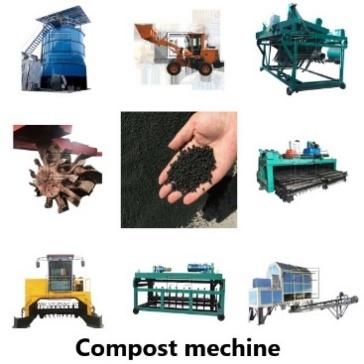
A compost making machine is a specialized piece of equipment designed to efficiently and effectively convert organic waste into nutrient-rich compost.
Efficient Waste Processing:
Compost making machines are designed to handle organic waste materials efficiently. They can process a variety of waste types, including food scraps, garden trimmings, agricultural residues, and more. The machine breaks down the waste materials, creating an ideal environment for decomposition and promoting microbial activity.
Accelerated Composting:
A compost making machine accelerates the composting process by creating optimal conditions for decomposition. It provides control over factors such as temperature, moisture, and oxygen levels, which are essential for efficient composting. By optimizing these conditions, the machine promotes faster decomposition and the production of high-quality compost.
Automatic Operation:
Many compost making machines offer automatic operation, reducing the need for manual intervention. They are equipped with sensors, timers, and control systems that monitor and regulate various parameters, such as temperature, moisture, and airflow. Automatic operation ensures consistent and optimal composting conditions, improving process efficiency and reducing labor requirements.
Mixing and Aeration:
Compost making machines incorporate mechanisms for mixing and aerating the composting materials. These components ensure proper blending of the waste materials, facilitating the distribution of moisture, oxygen, and microorganisms throughout the compost pile or system. Mixing and aeration promote even decomposition and help prevent the formation of anaerobic zones.
Size Reduction:
Many compost making machines include components that break down the organic waste materials into smaller pieces. This size reduction process increases the surface area of the waste, facilitating faster decomposition and microbial activity. Smaller particles decompose more quickly and uniformly, leading to accelerated composting.
Temperature and Moisture Control:
Compost making machines provide control over temperature and moisture levels, which are critical for successful composting. These machines often feature temperature and moisture monitoring systems that regulate these factors throughout the composting process. Maintaining the ideal conditions ensures optimal decomposition and prevents the growth of pathogens or unwanted organisms.
Odor Management:
Compost making machines are designed to help manage odors associated with the composting process. They often include features like airflow control, biofilters, or other odor mitigation systems. These mechanisms help minimize odor nuisances and create a more pleasant composting environment.
Versatility:
Compost making machines are versatile and can handle various types of organic waste materials. They are suitable for different composting applications, such as home composting, community composting, or commercial-scale operations. The machines can be customized or adjusted to accommodate different volumes of waste and specific composting requirements.
Environmental Sustainability:
Composting organic waste with a compost making machine contributes to environmental sustainability. It diverts organic waste from landfills, reducing methane emissions and the environmental impact of waste disposal. Composting also produces nutrient-rich compost that can be used as a natural fertilizer, reducing the need for chemical fertilizers and supporting sustainable agricultural practices.
Related products
-
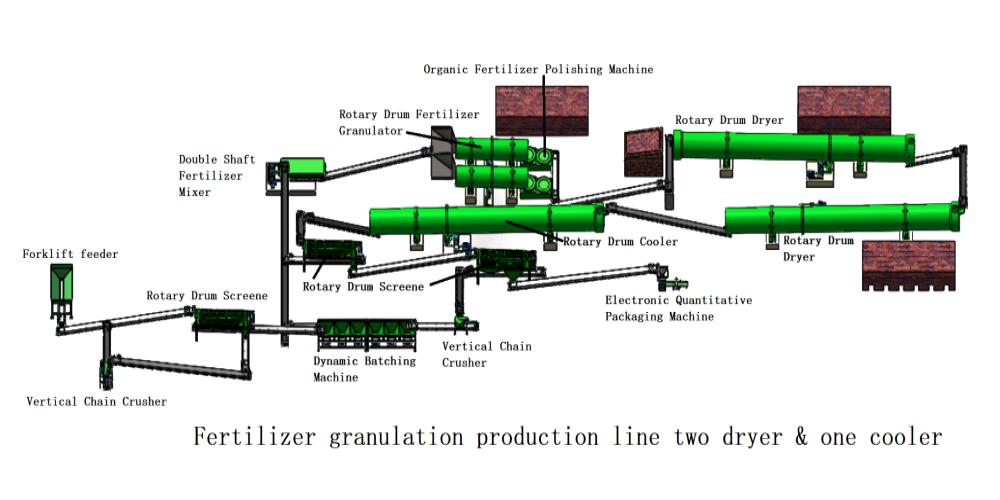
Complete production line of bio-organic fertilizer
A complete production line for bio-organic fertilizer involves several processes that transform organic waste into a high-quality organic fertilizer. The specific processes involved may vary depending on the type of organic waste being used, but some of the common processes include: 1.Raw Material Handling: The first step in bio-organic fertilizer production is to handle the raw materials that will be used to make the fertilizer. This includes collecting and sorting organic waste from various...
-
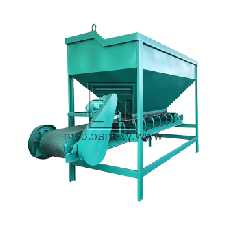
Forklift Silo
A forklift silo, also known as a forklift hopper or forklift bin, is a type of container designed for storage and handling of bulk materials such as grain, seeds, and powders. It is typically made of steel and has a large capacity, ranging from a few hundred to several thousand kilograms. The forklift silo is designed with a bottom discharge gate or valve that allows the material to be easily unloaded using a forklift. The forklift can position the silo over the desired location and then open...
-
Fertilizer machines
Traditional livestock and poultry manure composting needs to be turned over and stacked for 1 to 3 months according to different waste organic materials. In addition to time-consuming, there are environmental problems such as odor, sewage, and space occupation. Therefore, in order to improve the shortcomings of the traditional composting method, it is necessary to use a fertilizer applicator for composting fermentation.
-
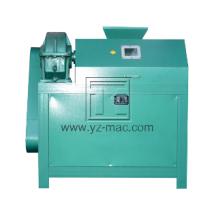
Dry granulation equipment
Dry granulation equipment is a high-efficiency mixing and granulating machine. By mixing and granulating materials of different viscosities in one equipment, it can produce granules that meet the requirements and achieve storage and transportation. particle strength
-
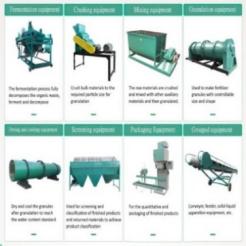
Organic fertilizer equipment maintenance
Maintenance of organic fertilizer equipment is important to ensure efficient operation and prolong the lifespan of the equipment. Here are some tips on how to maintain organic fertilizer equipment: 1.Regular cleaning: Regularly clean the equipment after use to prevent build-up of dirt, debris or residue that can cause damage to the equipment. 2.Lubrication: Regularly lubricate the moving parts of the equipment to reduce friction and prevent wear and tear. 3.Inspection: Conduct regular inspect...
-
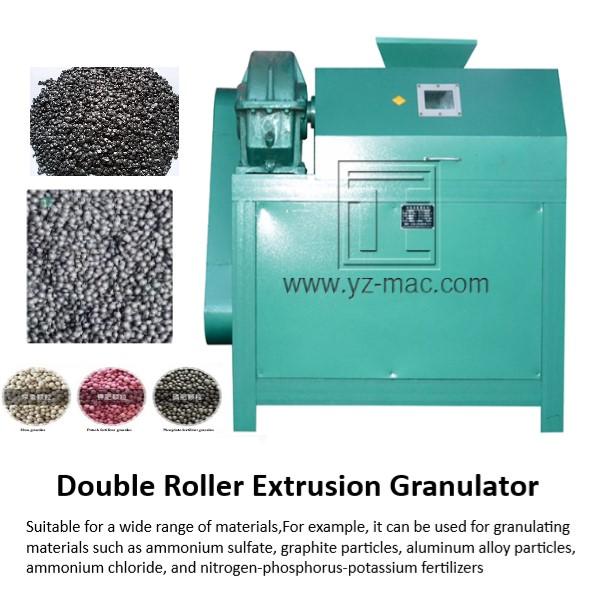
Double Roller Extrusion Granulator
The Double Roller Extrusion Granulator is a commonly used device for producing graphite particles. It applies pressure and extrusion to the graphite raw materials through the rolls of a press, transforming them into a granular state. The general steps and process of producing graphite particles using a Double Roller Extrusion Granulator are as follows: 1. Raw material preparation: Preprocess the graphite raw materials to ensure appropriate particle size and free from impurities. This may invo...